Mantova Rugby Club
The brand as a tool to guide a rugby club (and not only)
A rebranding can start with the very simple question “how do we want to present ourselves?” but also with a much more difficult one: “what do we want to become, and what tools do we need to get there?”
In the case of Mantova Rugby, the starting point was not a lack of identity. The Club had a history, a community, a culture and a very specific way of being together.
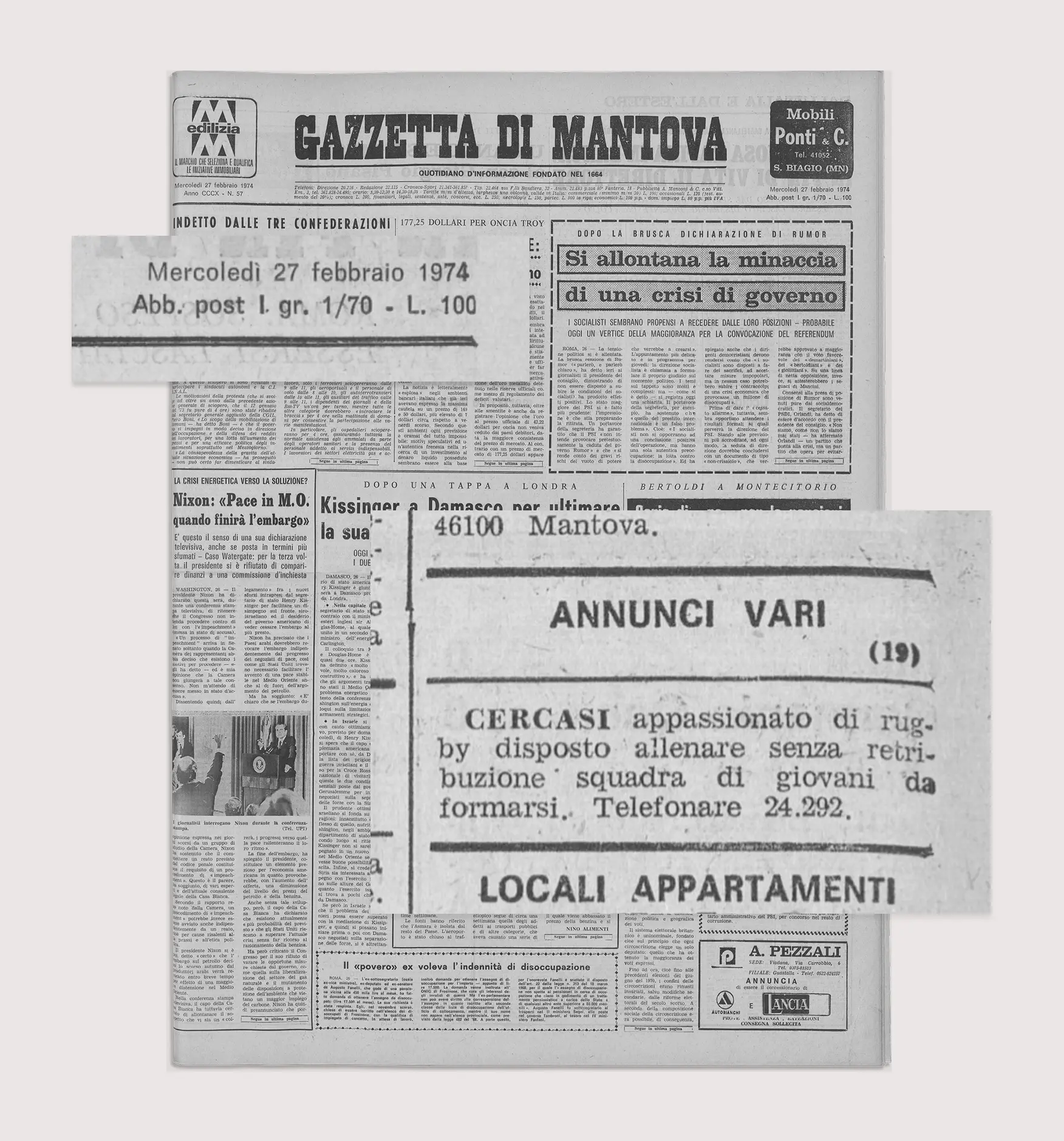
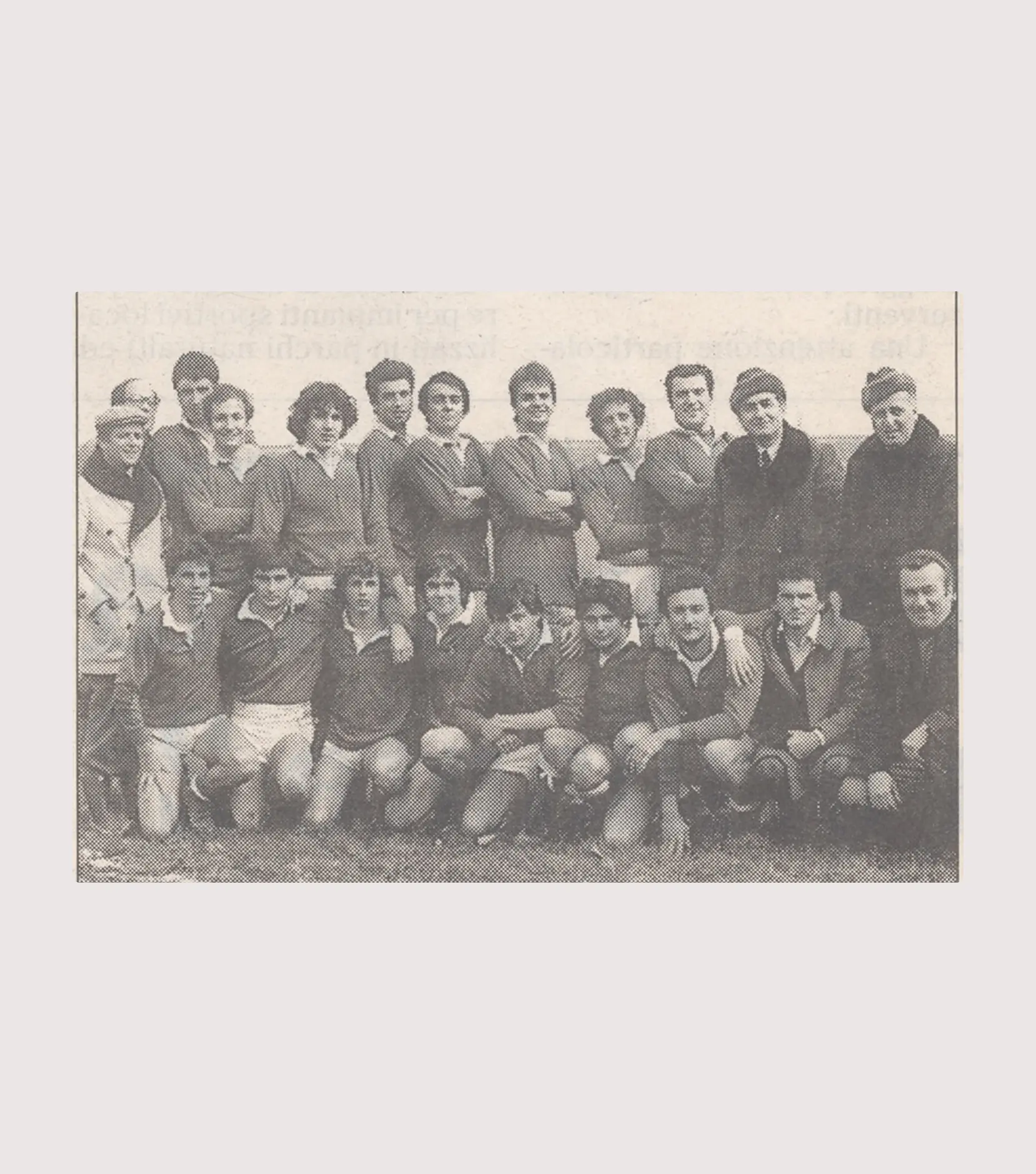
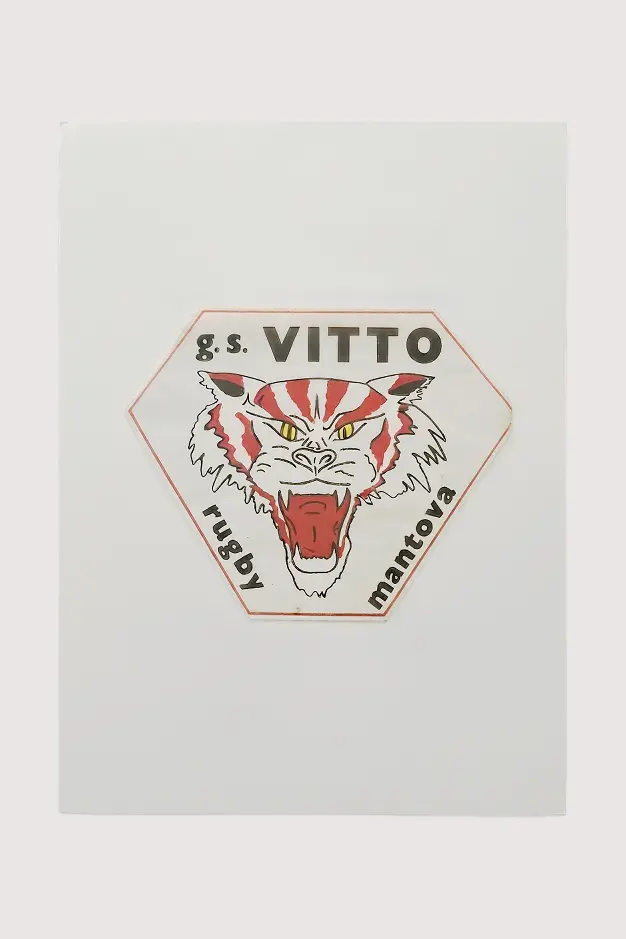
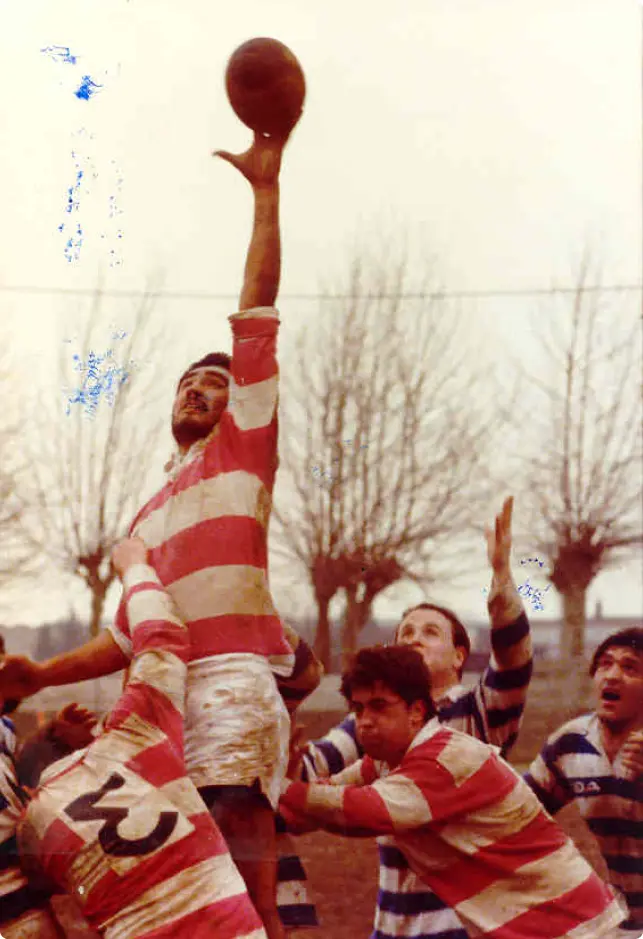
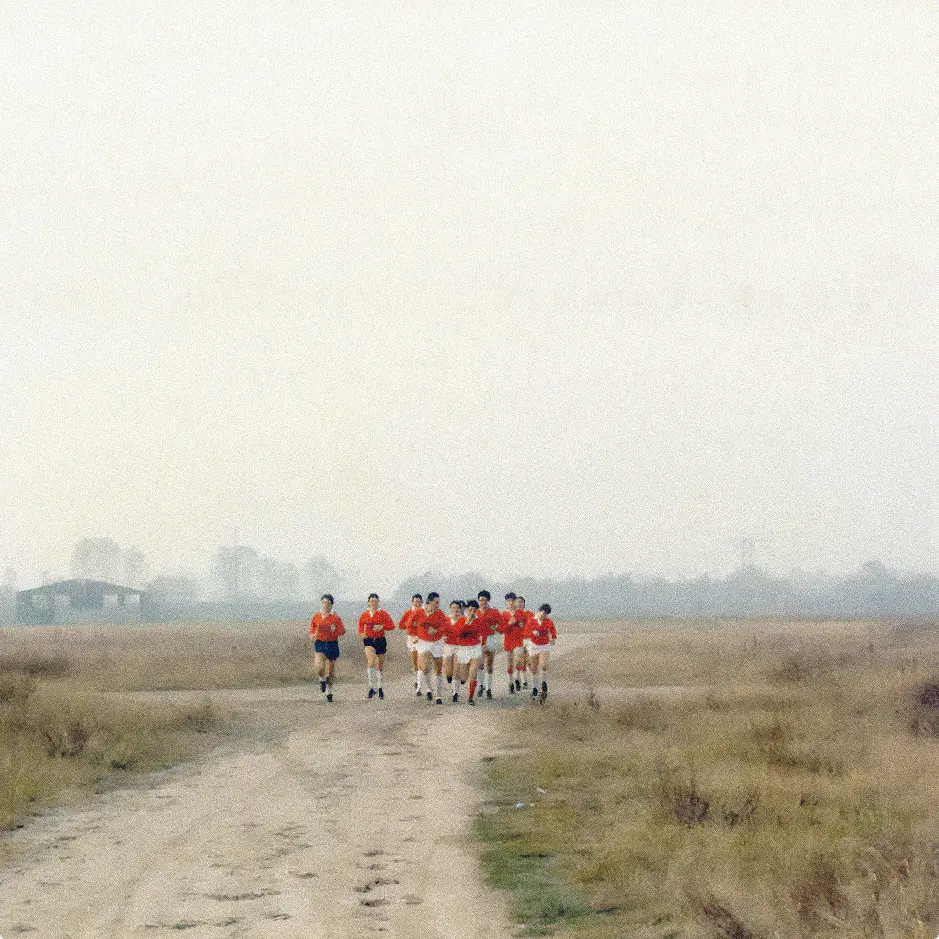
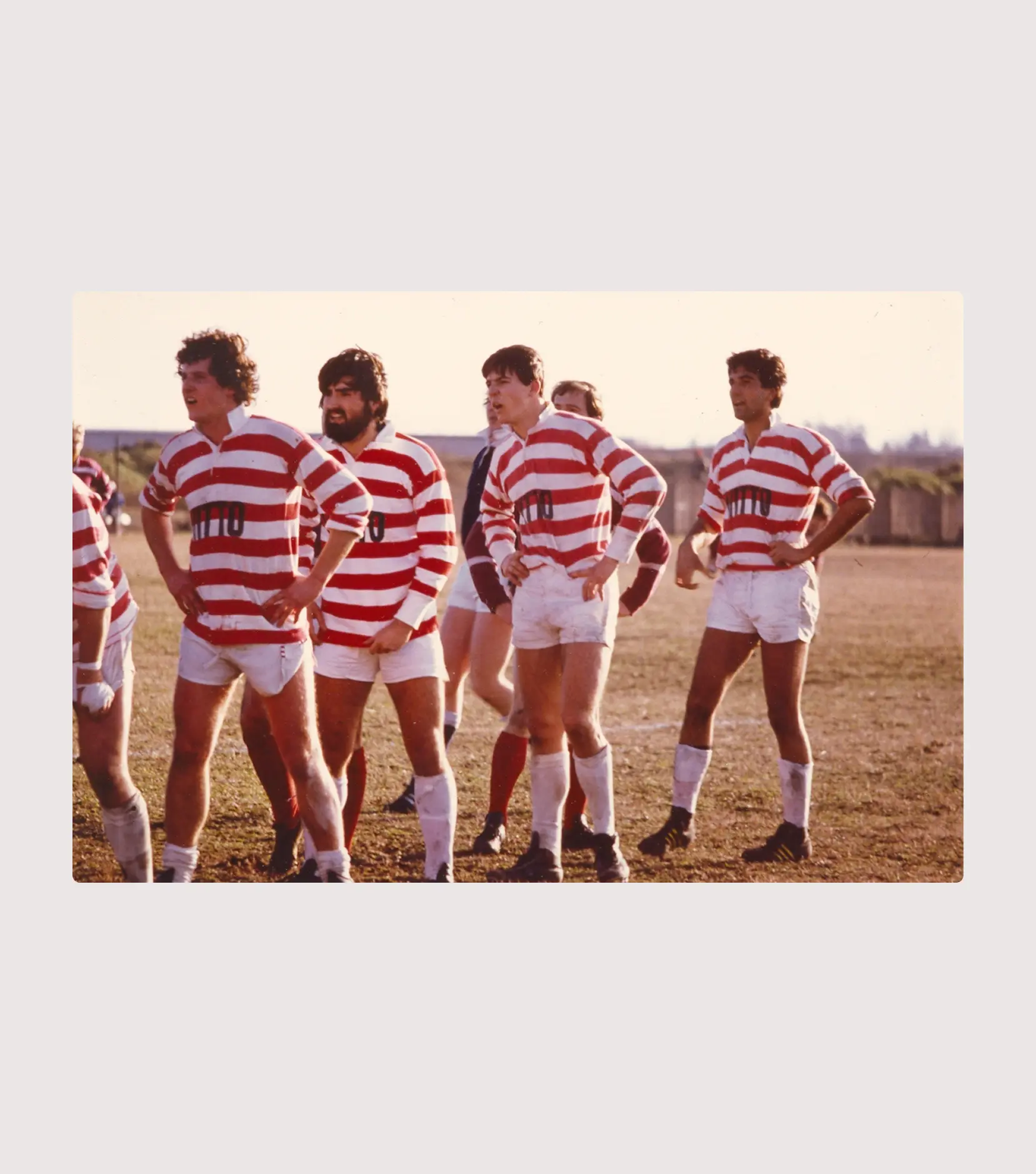
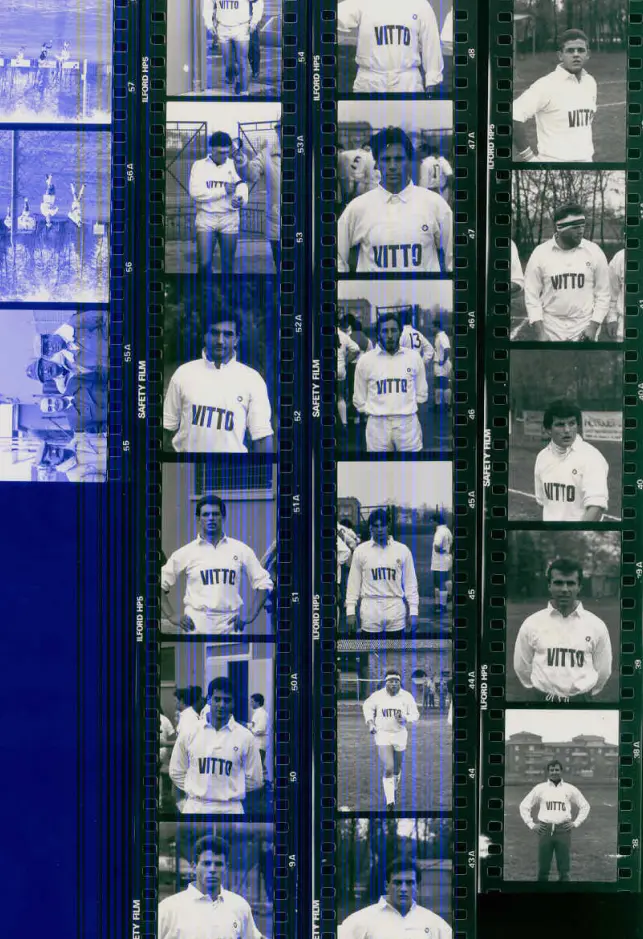
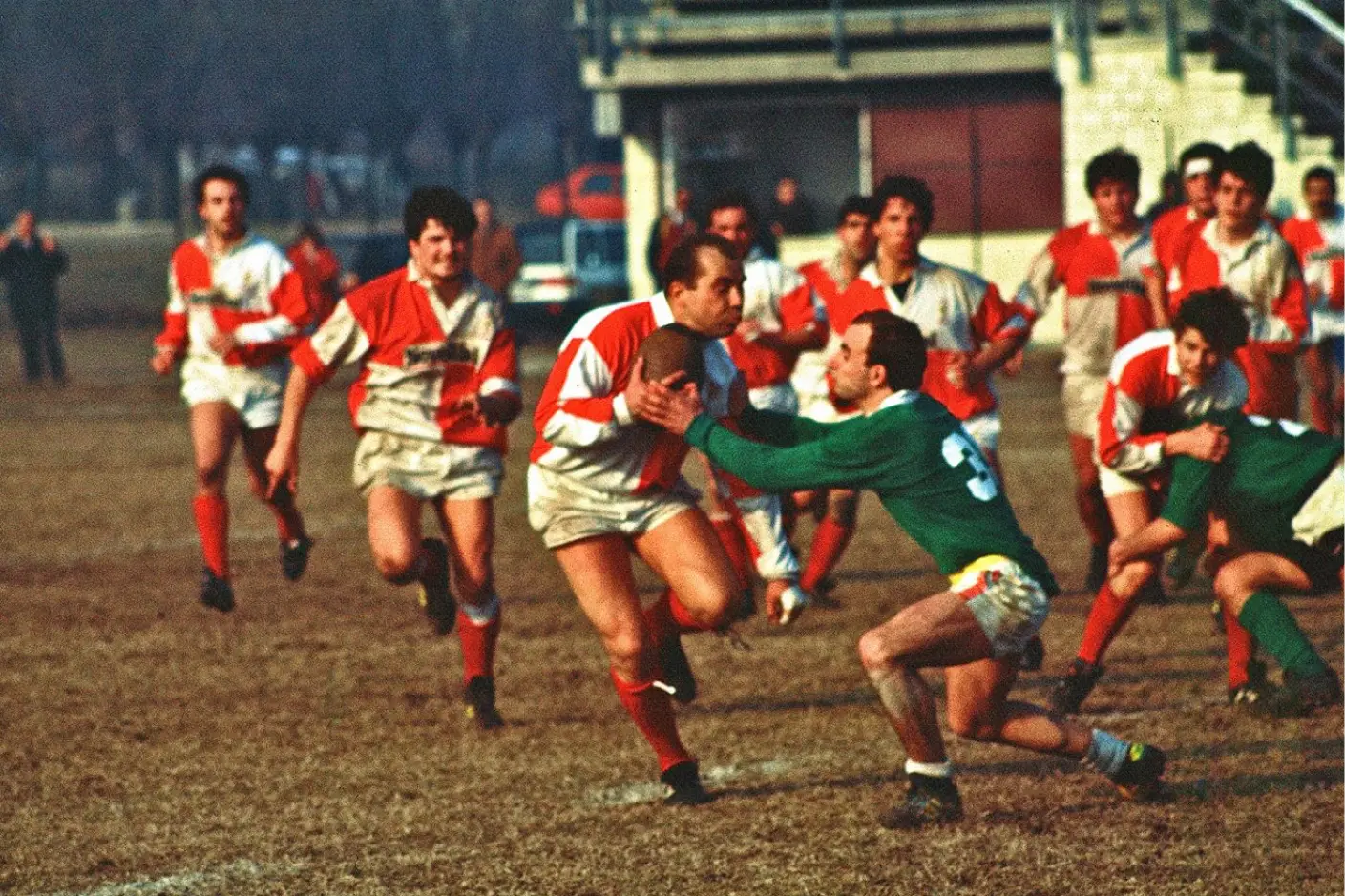
It already had many of the characteristics that make an organisation recognisable. What it needed was to turn this heritage into a shared direction and build the tools to make it tangible: tools capable not only of telling the Club’s story, but of helping it make consistent decisions over time.
Listening first
Listening first
To understand where to start, I chose to listen directly to some of the people who experienced the Club every day.
I interviewed directors, coaches and some players, trying to understand not so much what they thought about the brand, but how they described the Club, what it represented to them, and what they believed it should become.
The conversations brought out recurring themes: belonging, family, growth, mutual support, passion, history and the local area.
But they also revealed very concrete needs: greater listening, more collaboration, better communication, a stronger ability to work together and a desire to find a shared direction.
What was interesting was that, despite coming from different roles and perspectives, these people were describing different parts of the same identity, which changed the way I approached the project.
The aim was not simply to create an identity for the Club, but to give shape and direction to something that already existed, turning it into a shared asset that could also be used to inform future decisions.
The workshop as a starting point
The workshop as a starting point
At that point, I involved a broader group representing the different sides of the Club.
The workshop brought together around 40+ people and, for the first time, created a space where different points of view could openly discuss the future of the Club.
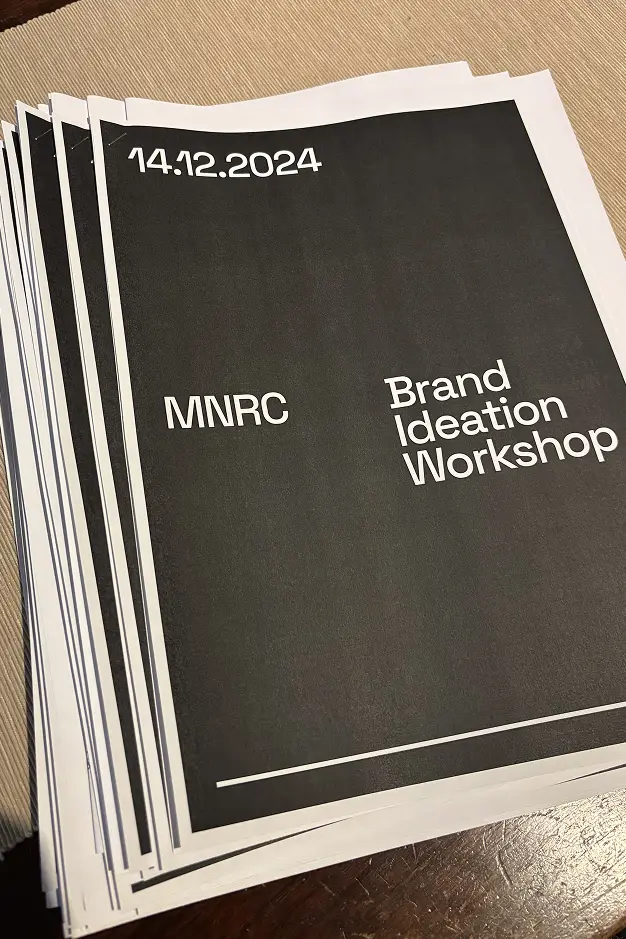
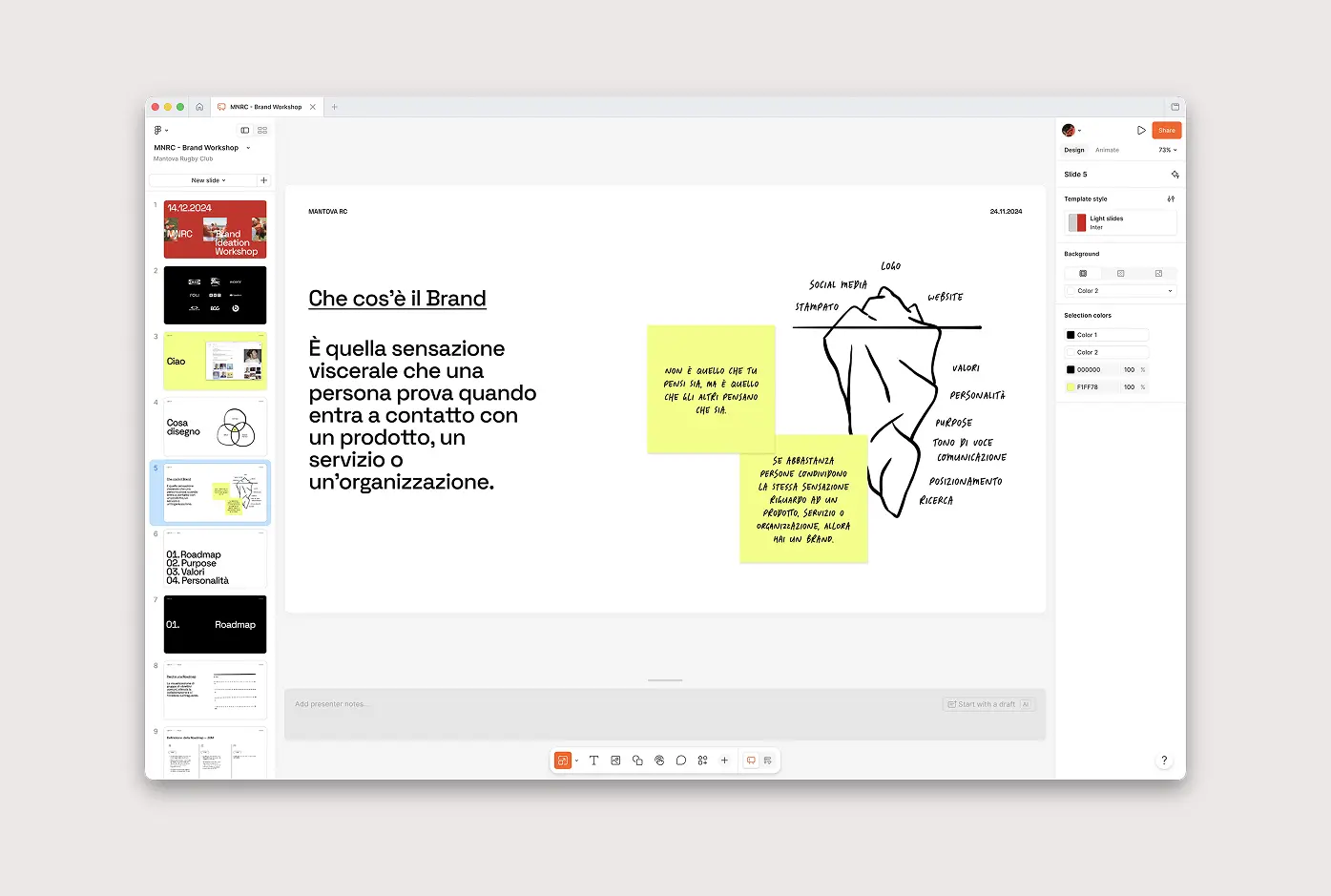
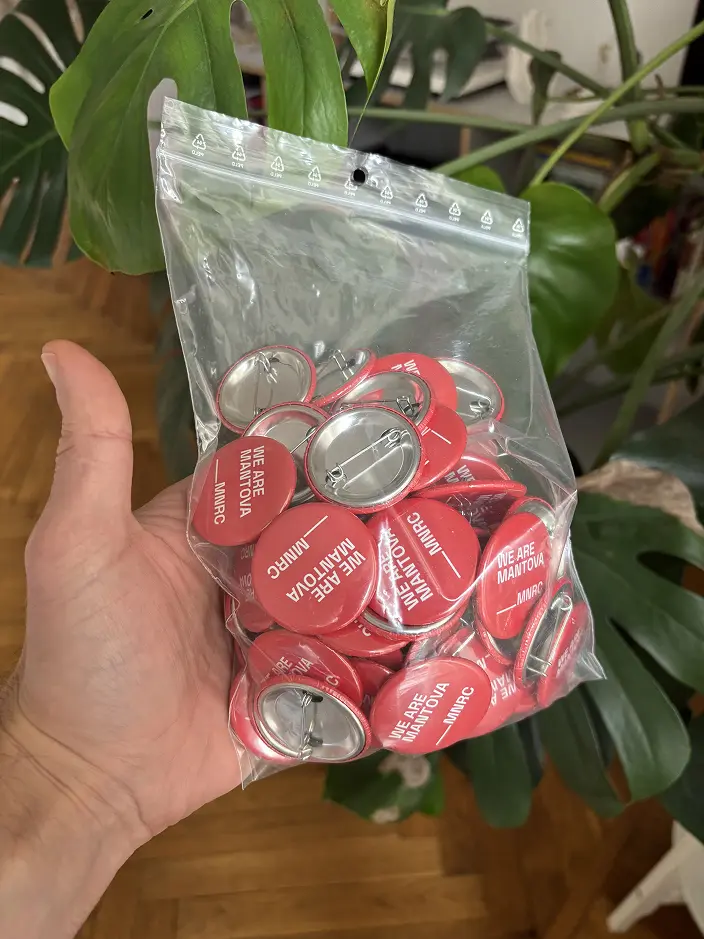
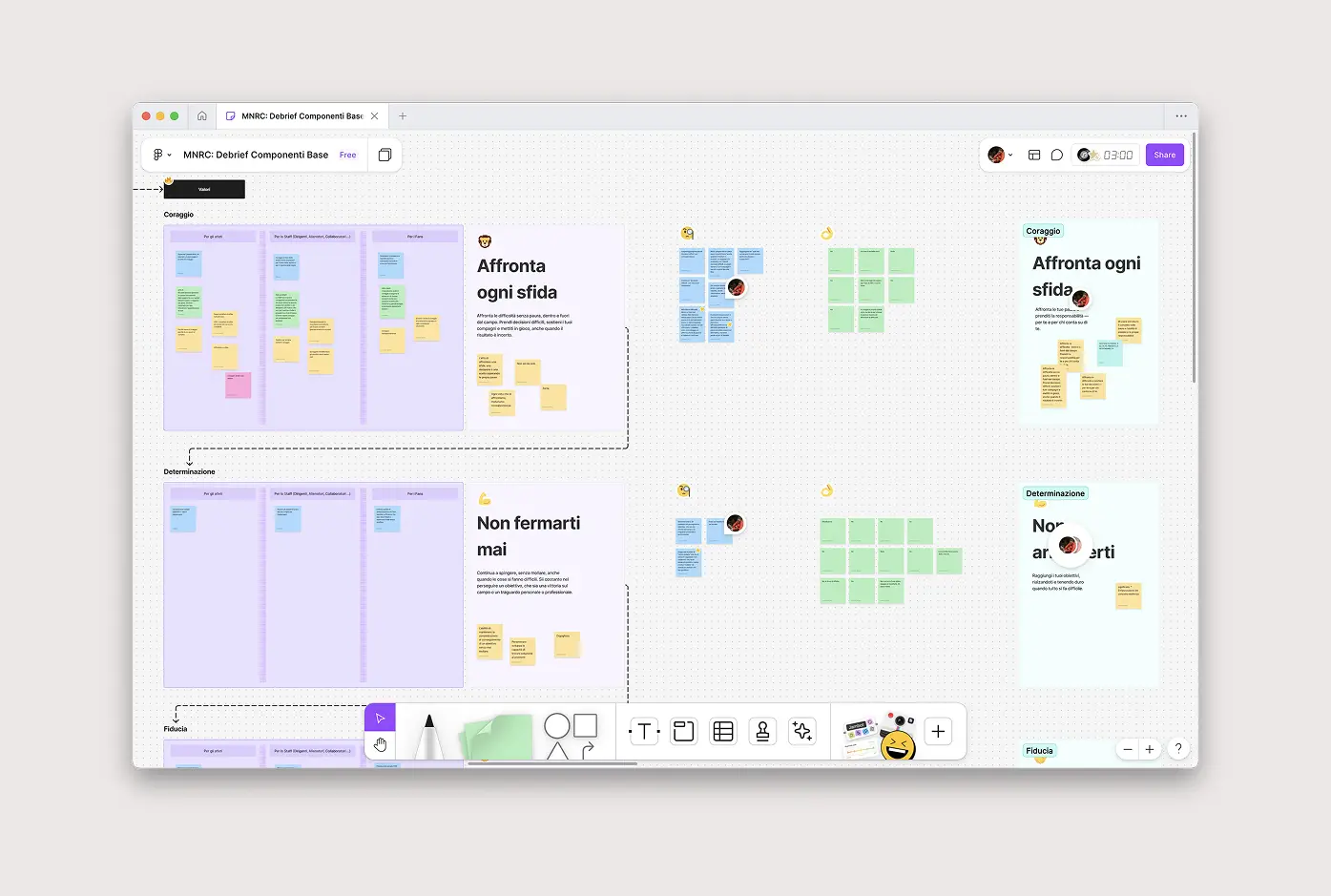
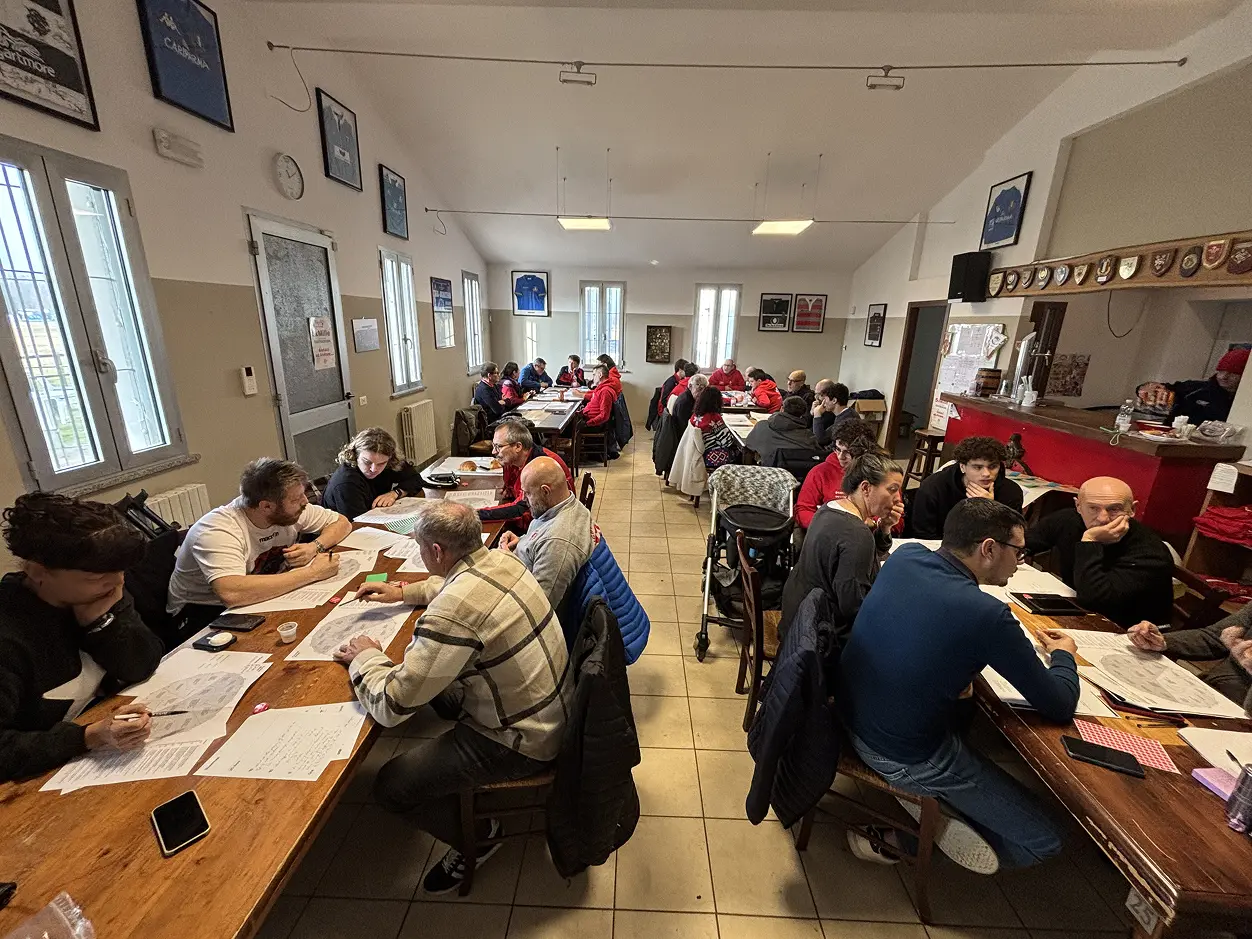
The aim was not simply to arrive at a list of words, nor to find an answer that someone could then hand over to everyone else: it was to bring people together and allow a convergence to emerge.
The group continued working together, with my facilitation, for a significant part of the first half of the project: we discussed, tested, challenged and progressively turned the insights that emerged into concrete tools.
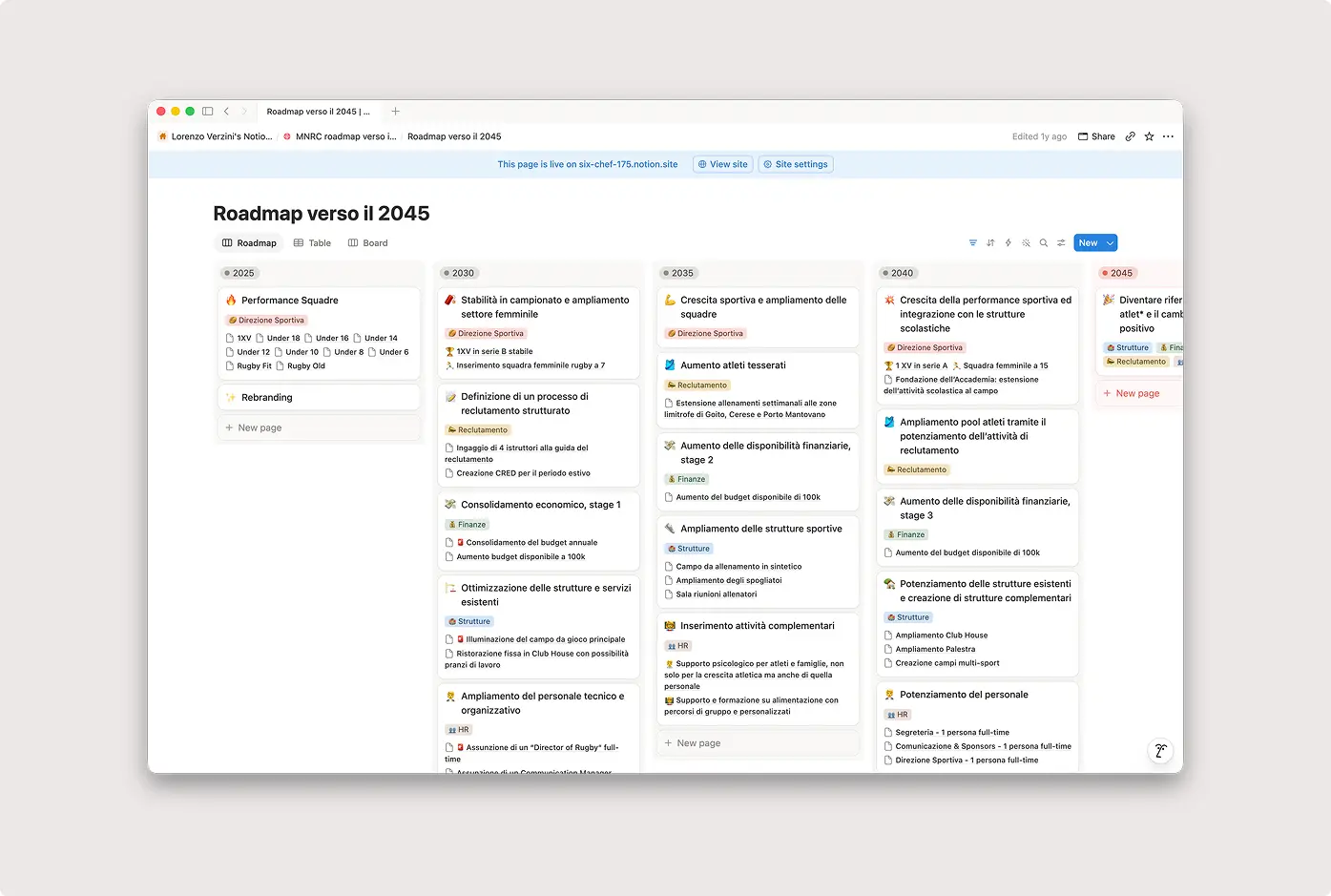
From this process came the purpose (reason for being), values, tone of voice and a five-year strategic roadmap.
But above all, something less visible, and perhaps more important, emerged: a shared criterion for looking to the future.
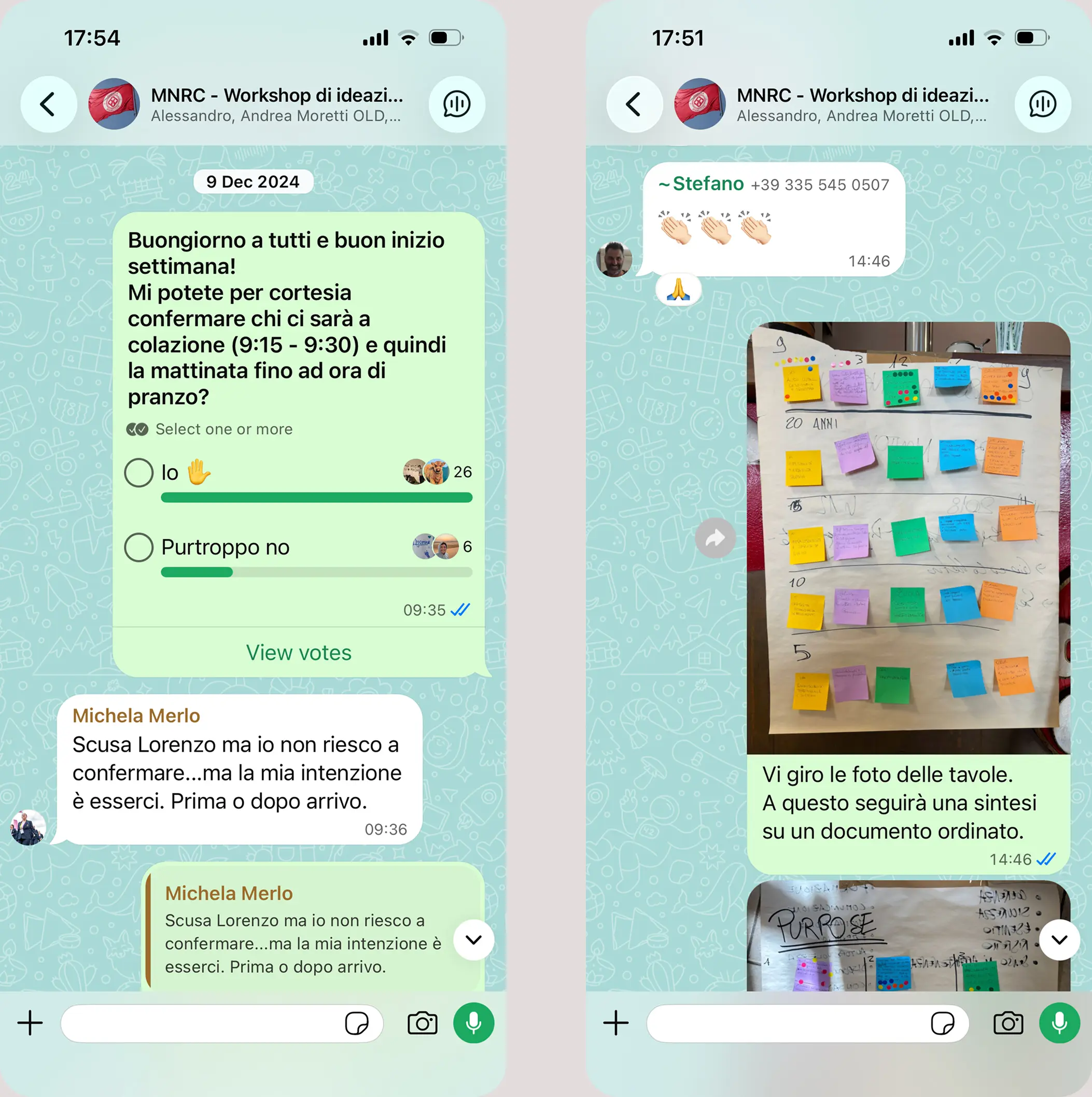
That group still exists today and represents a resource for the Club to keep discussing ideas when decisions need to be made or a new idea needs to be tested.
A purpose beyond the pitch
A purpose beyond the pitch
The work led to a broader idea of the Club’s role: not simply developing stronger players, but contributing to the positive transformation of our community through the sporting and personal growth of young people, both on and off the pitch.
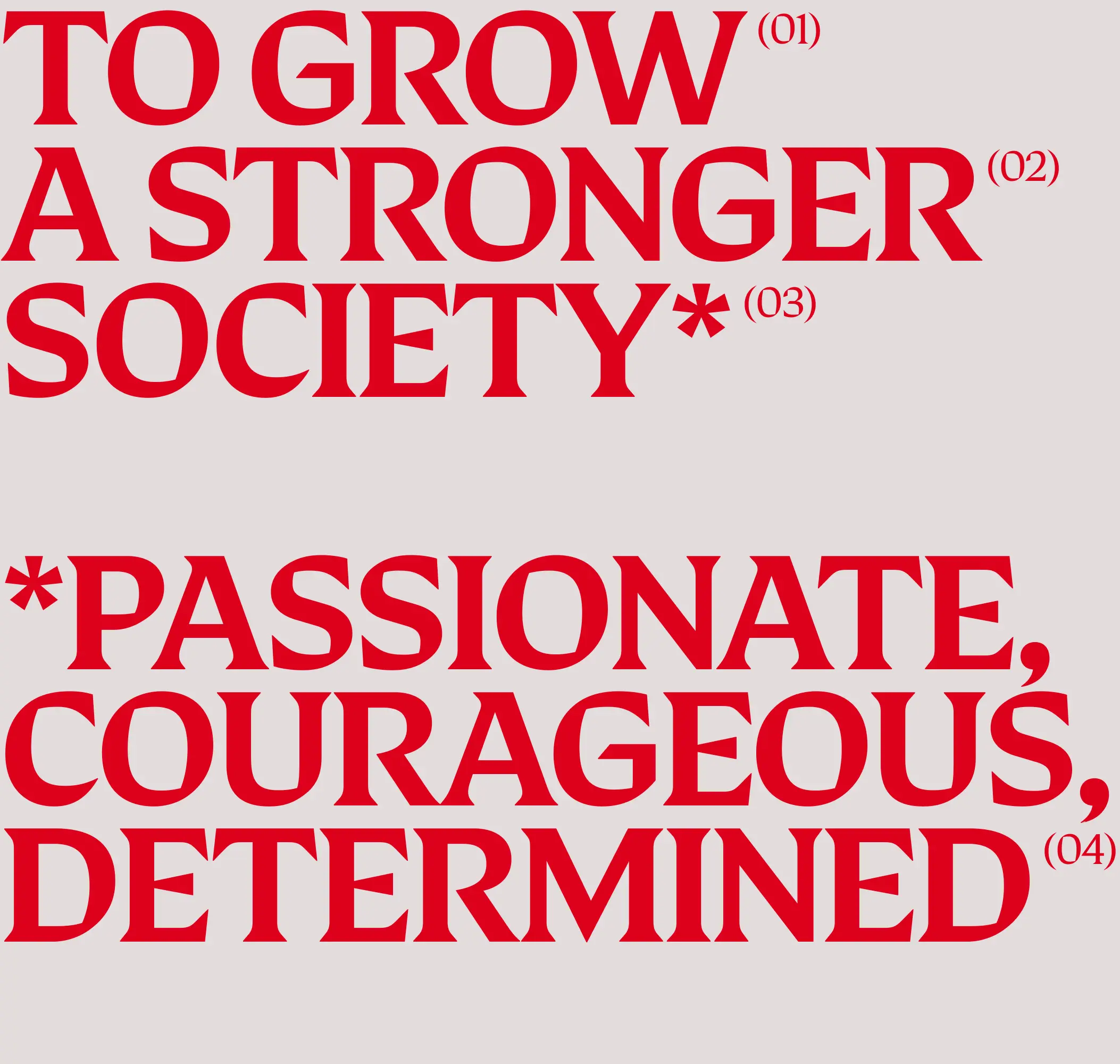
The Club therefore becomes a space where sporting skills are developed, but also autonomy, responsibility, the ability to be part of a group, to deal with defeat and to care for others.
And this also changes the way the Club sees itself: it is not simply a sports club, but an organisation that can play a role in the development of people and, through them, in the growth of the local community.
This idea became the foundation on which everything else was built.
From strategy to brand identity
From strategy to brand identity
At this point, I was able to design the Club’s identity, starting from a clearly defined strategy and translating that strategic direction into a recognisable visual identity.
Having clarified the values, the purpose and the role Mantova Rugby wanted to play in the growth of people and the community, the visual identity therefore served to make that direction tangible and visible.
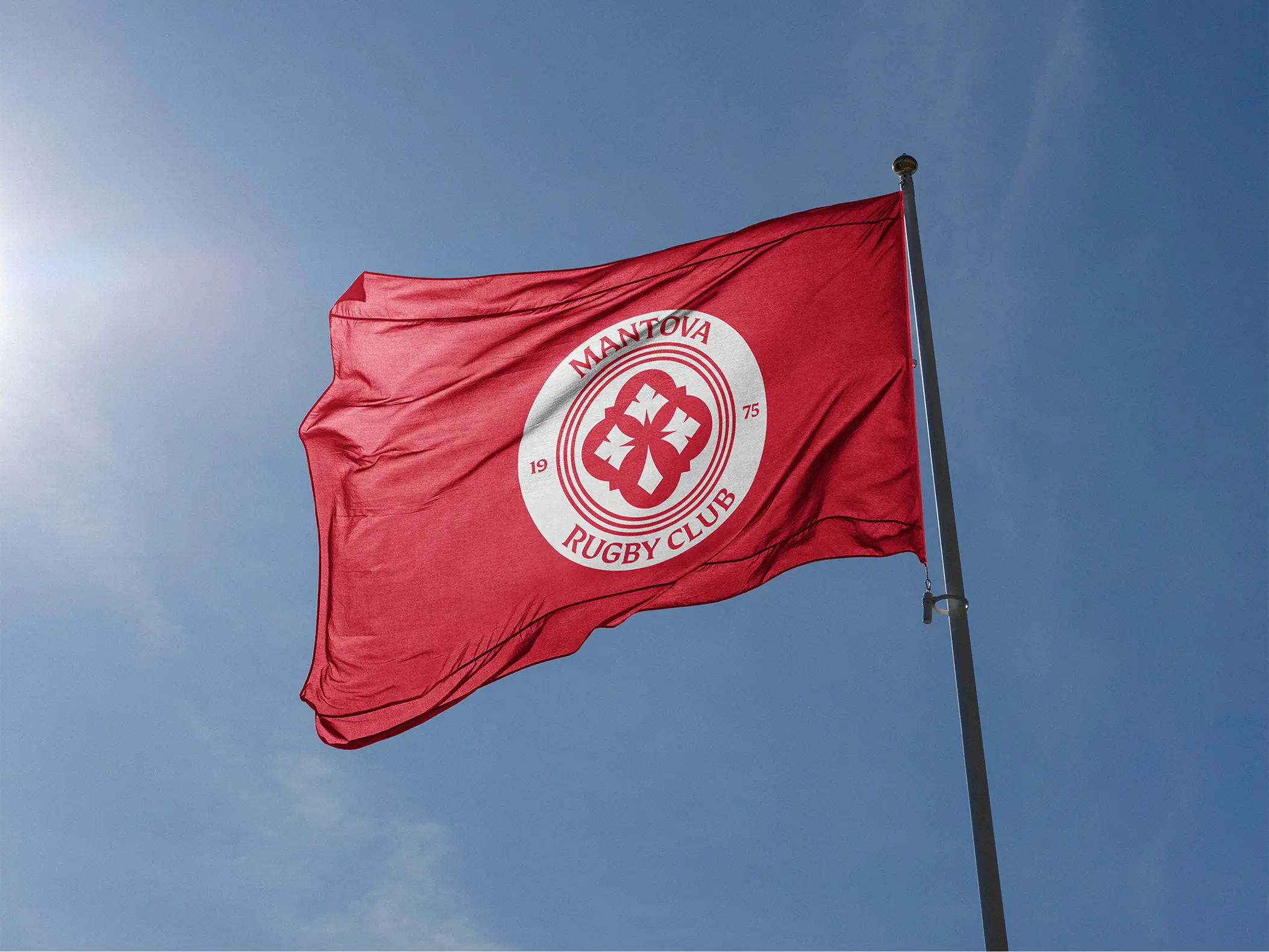
The new logo starts from the Trigolo, a water chestnut typical of the lakes around Mantova, the Club’s original symbol, and places it within its context: the three lakes surrounding Mantova and the forms of Palazzo Te, where the Club was founded and took its first steps. This contextualisation gives the mark a stronger sense of place and reconnects it with the Club’s history.

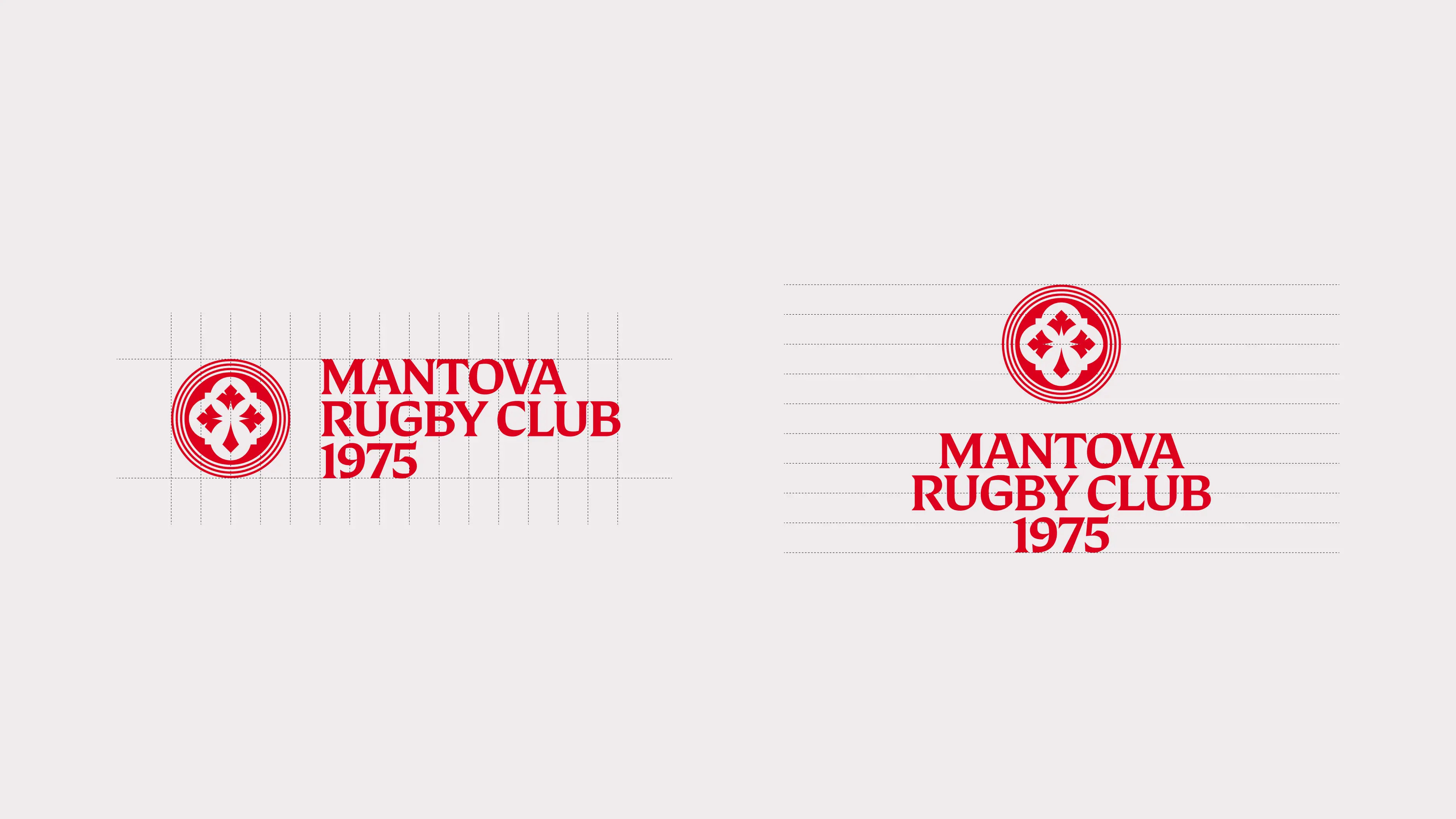
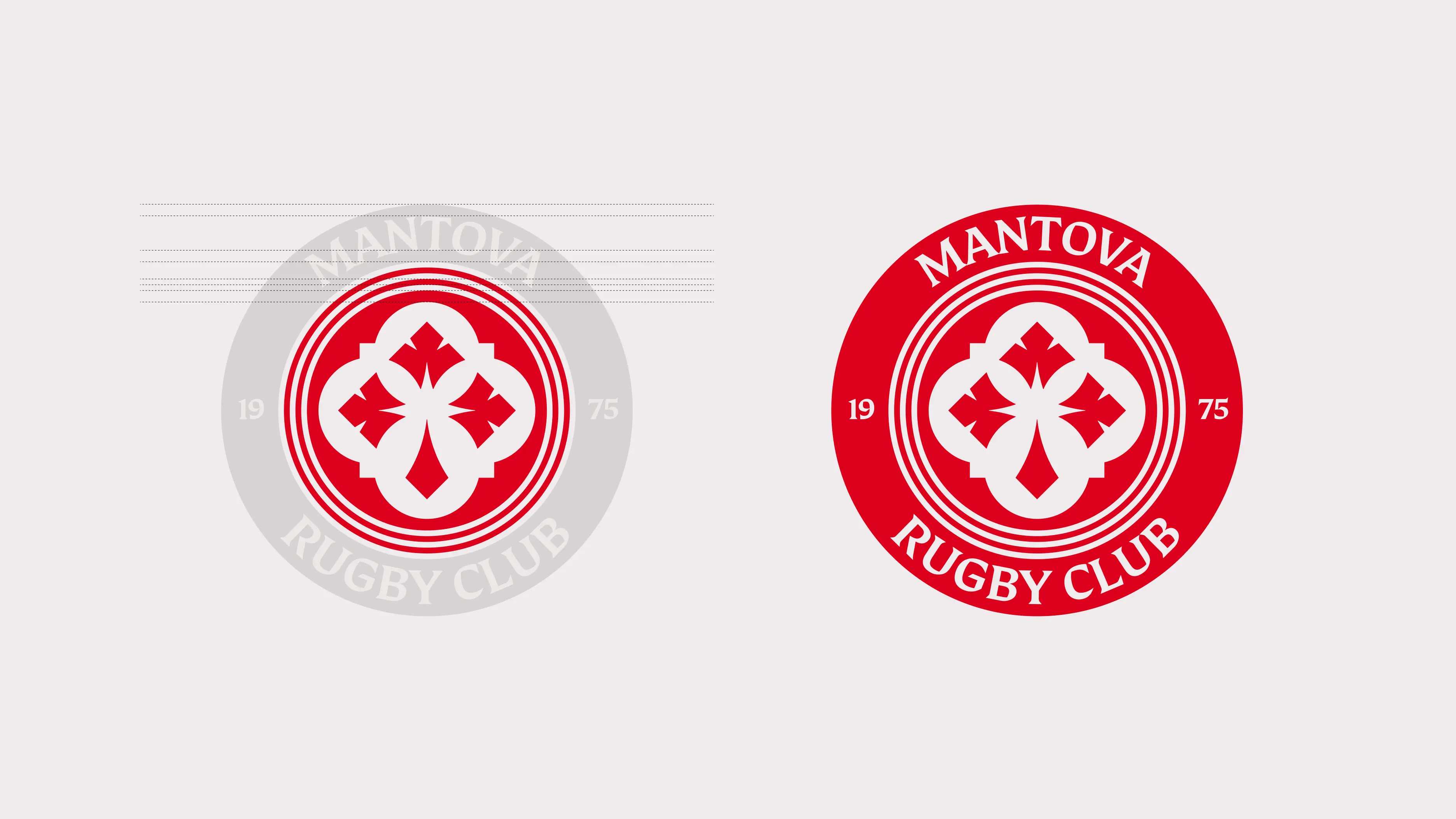
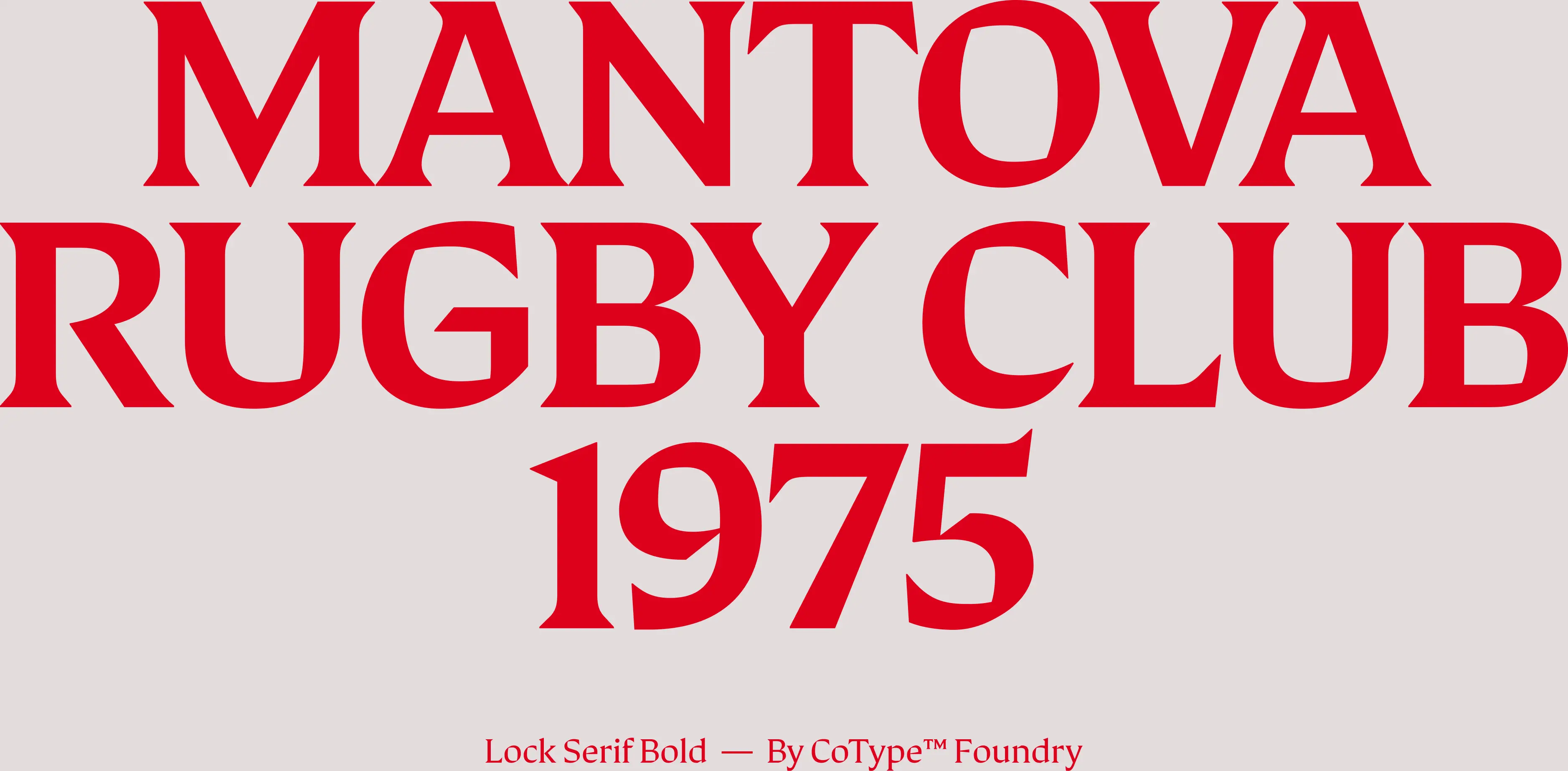
The typography draws on the city’s Renaissance tradition, while the visual system, photography and communication language work in the same direction: bringing the Club back into the local area and making the relationship between Mantova Rugby, the people who are part of it and the city more visible.
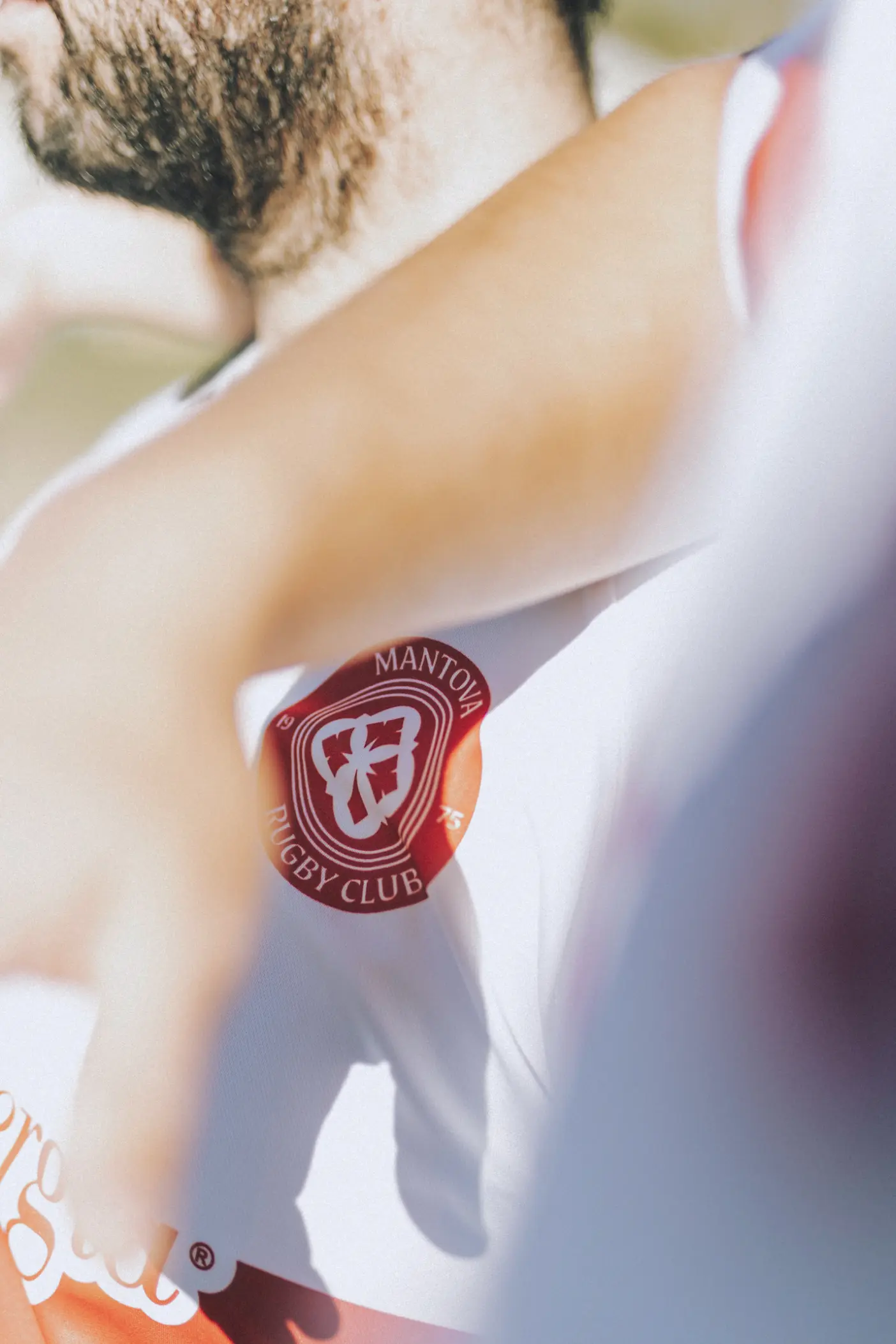
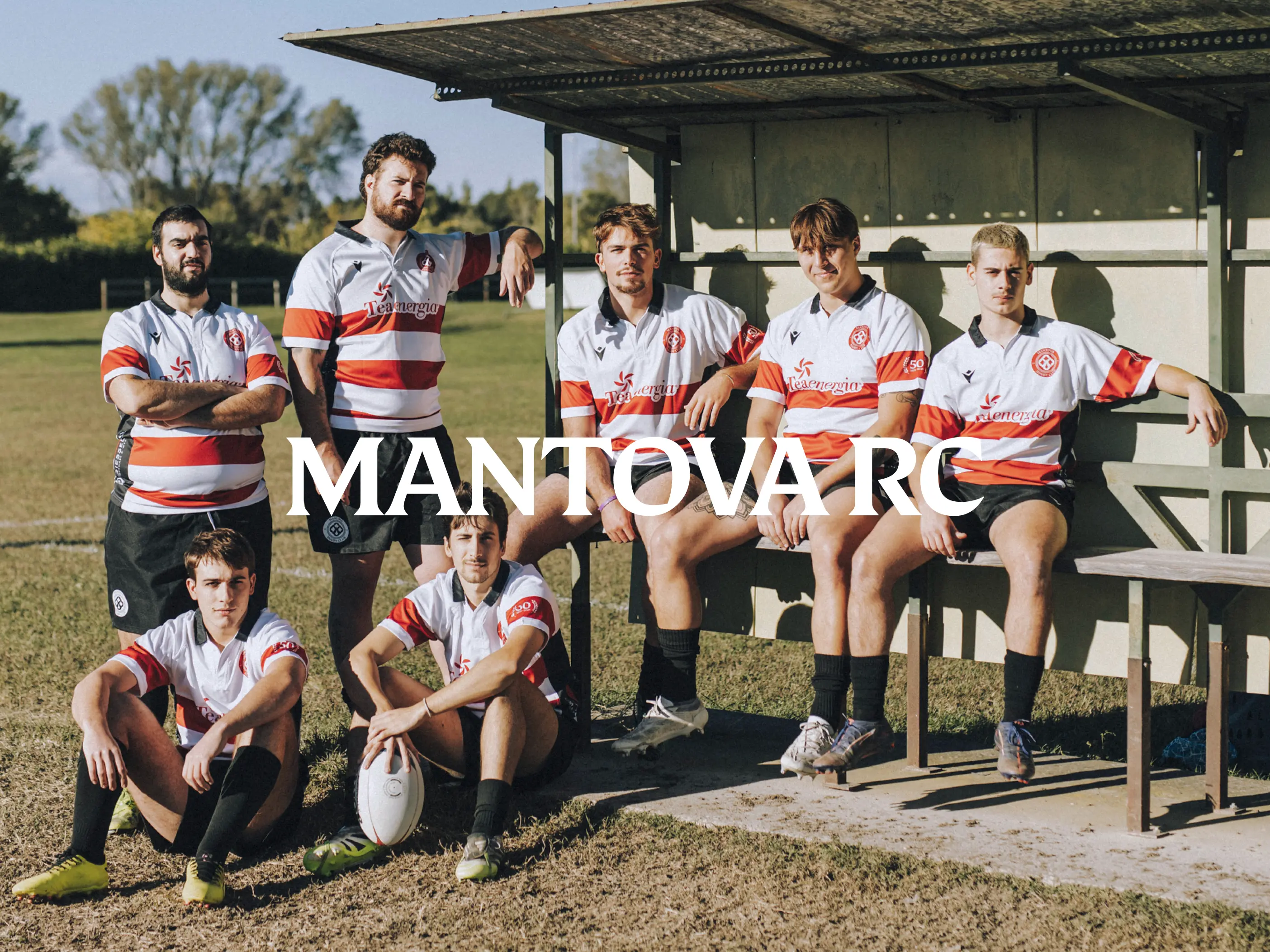
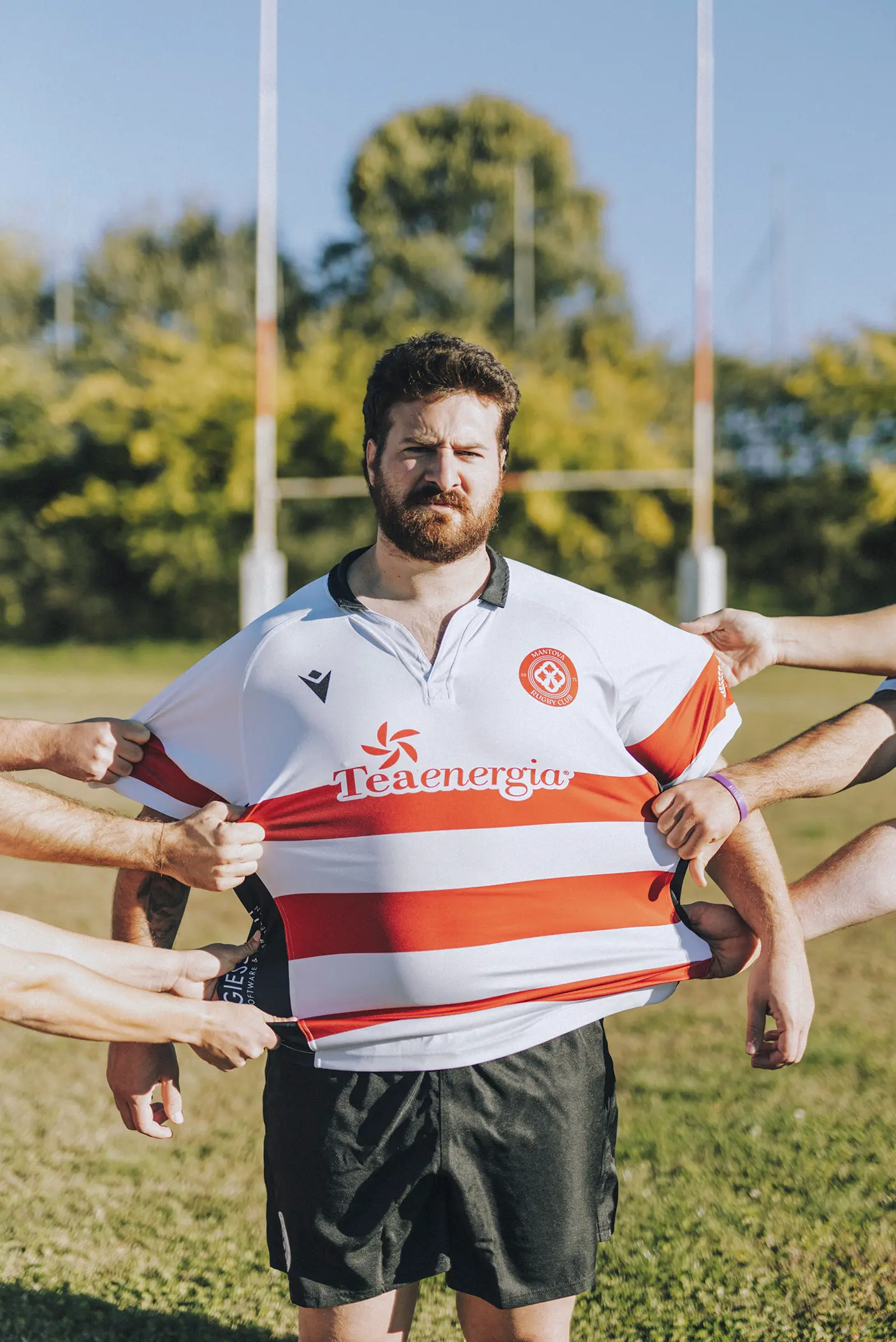
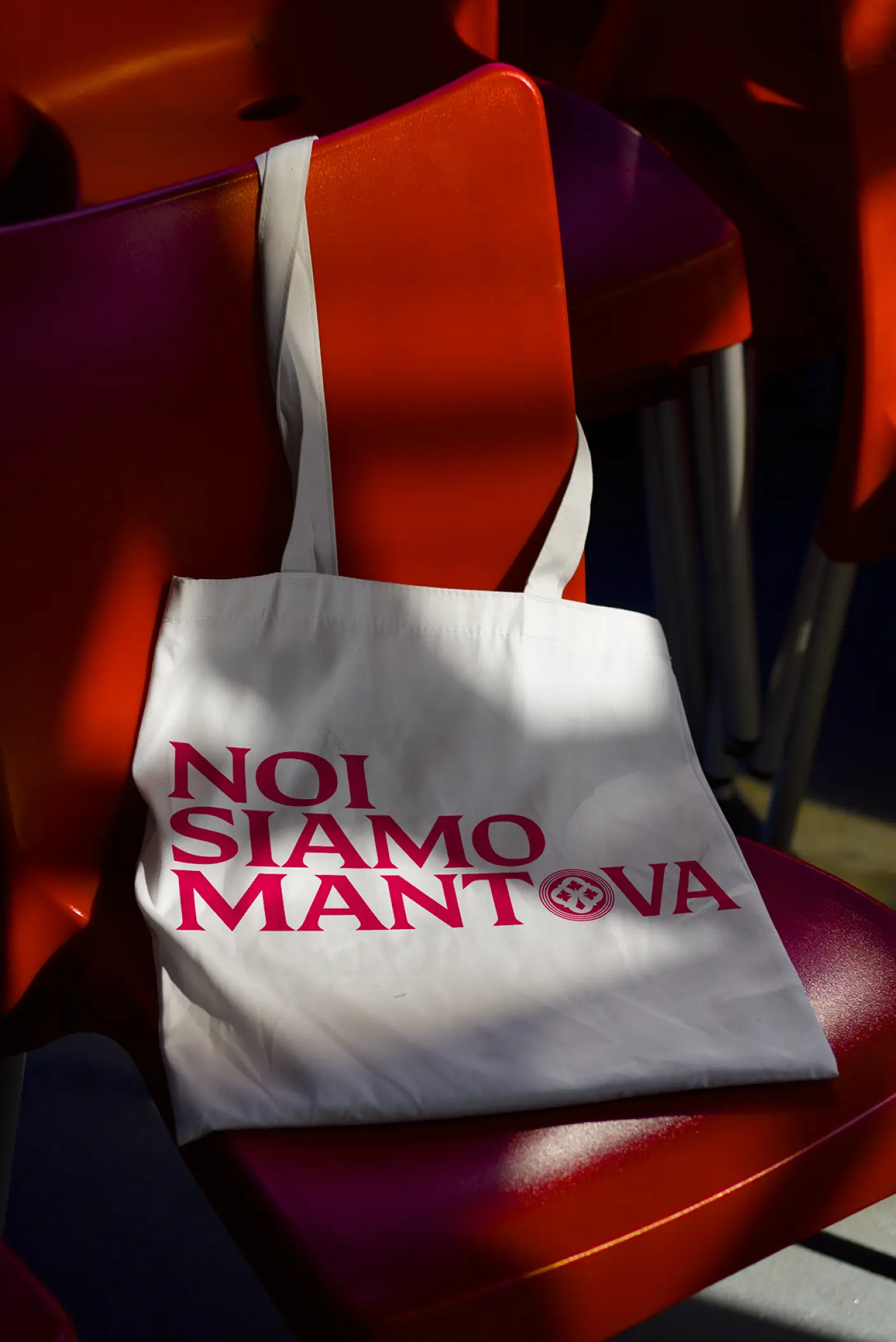
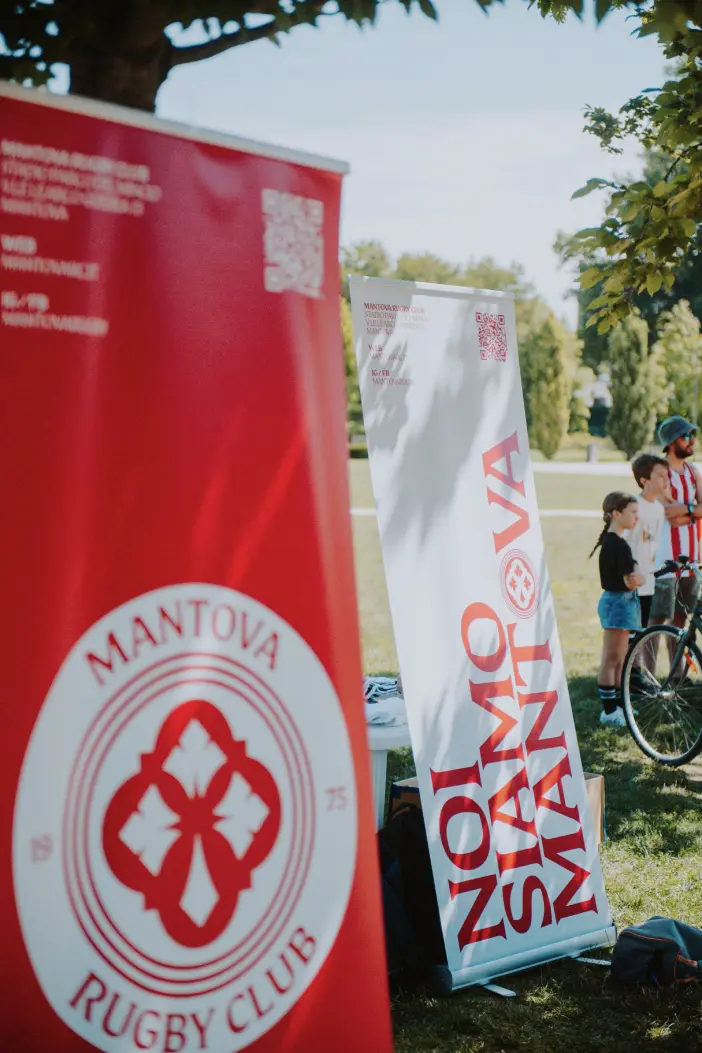
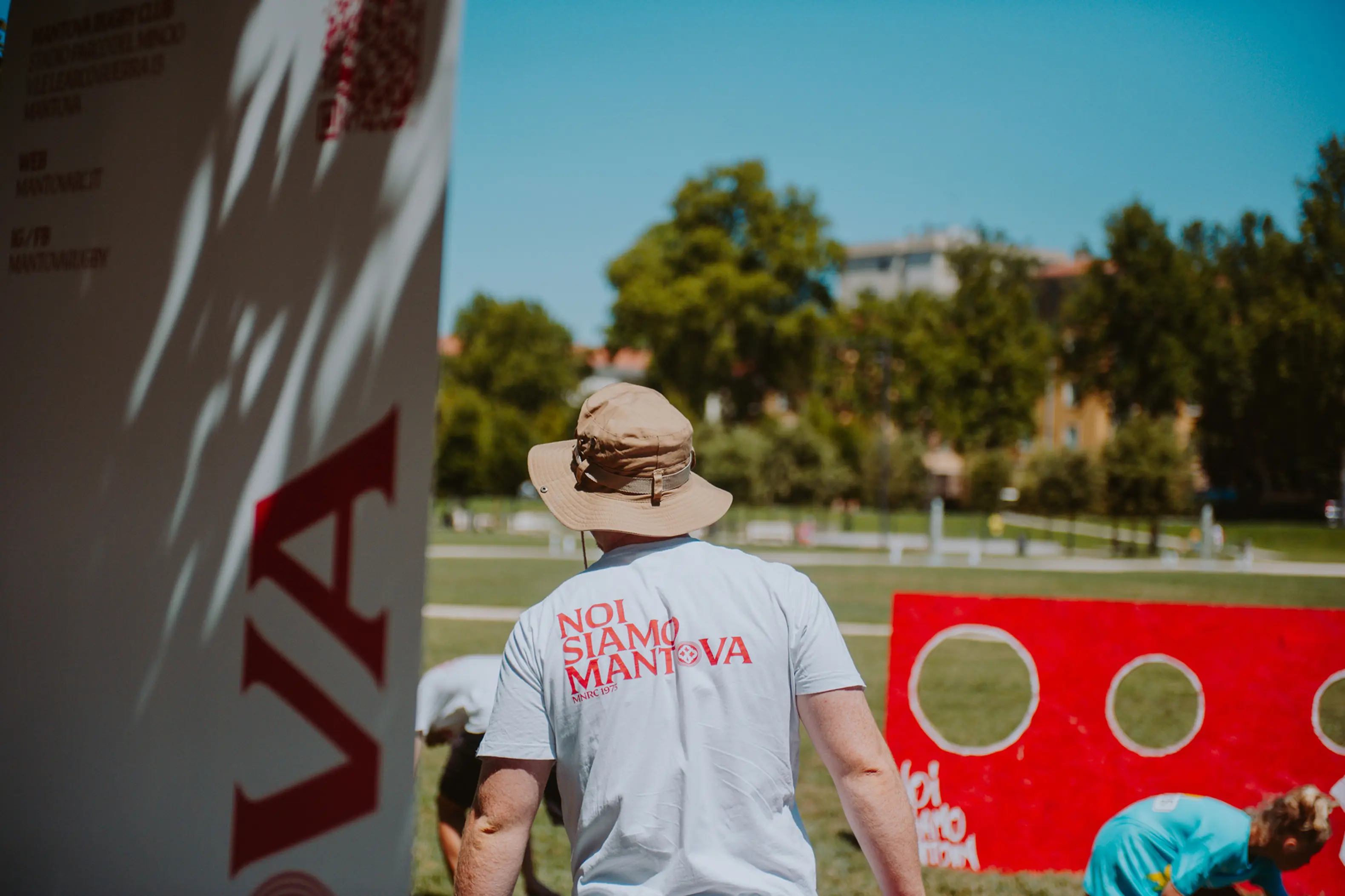
The point, however, was not simply to create a more contemporary identity, but to build a language that was consistent with what the Club had decided to represent.
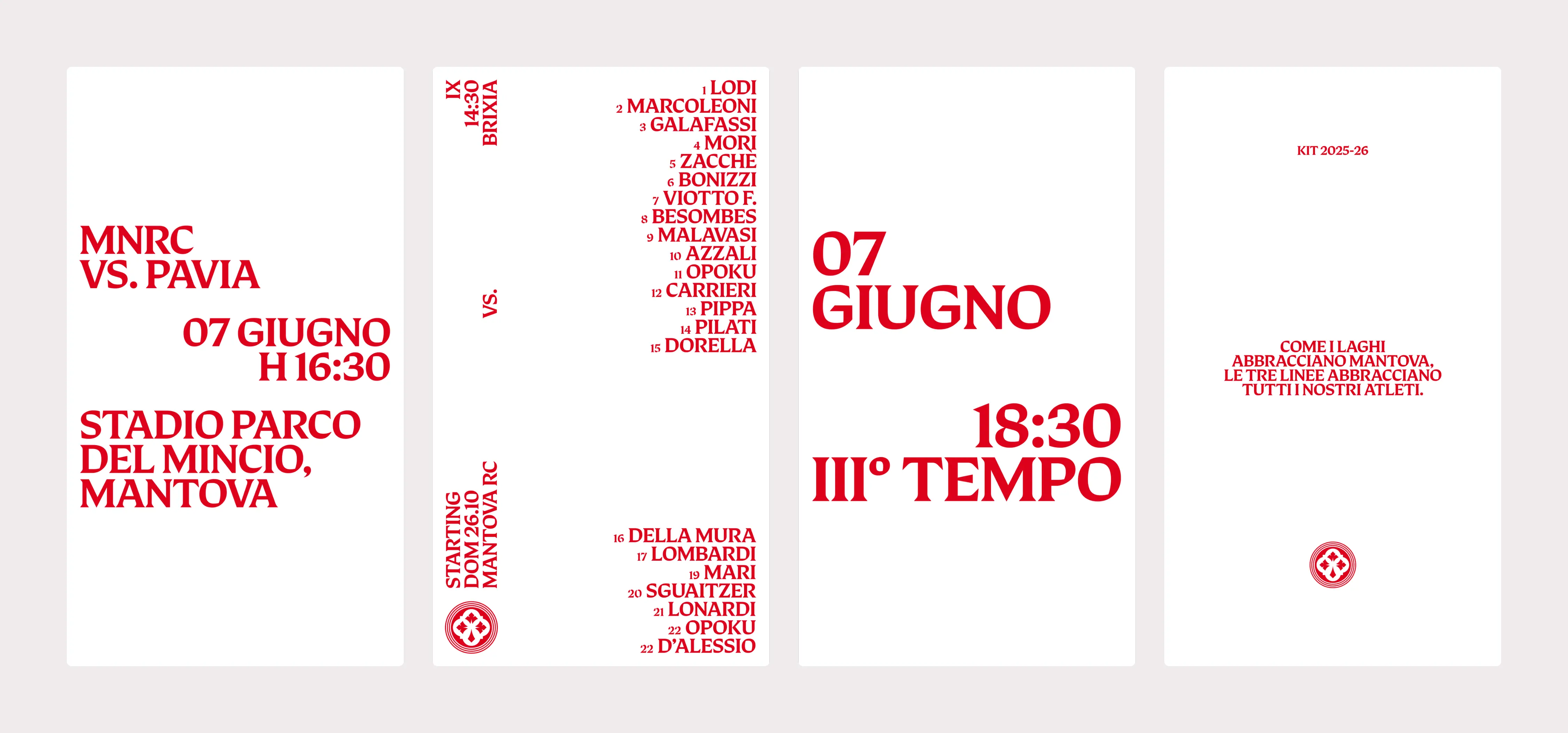
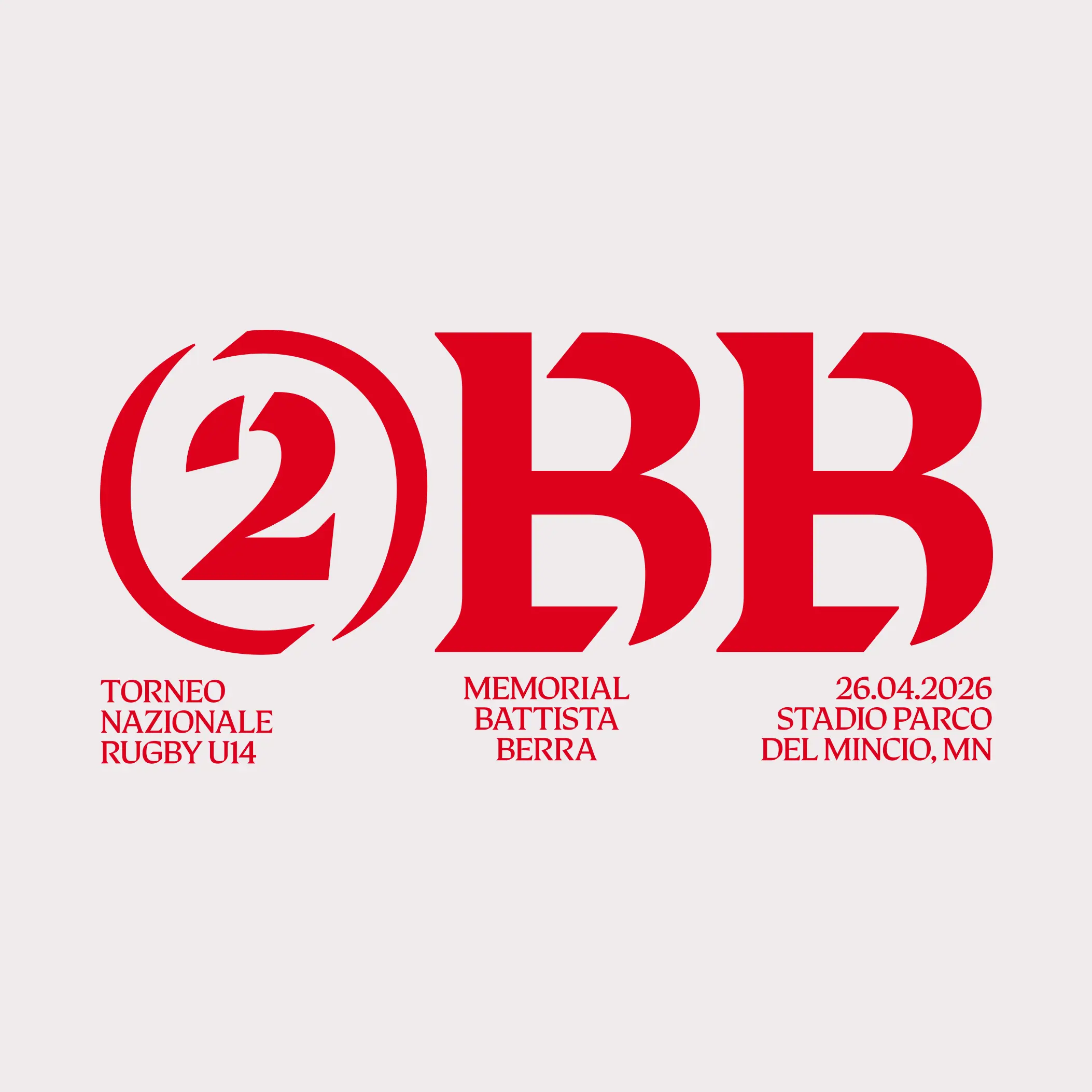
Fifty years and a new idea of the future
Fifty years and a new idea of the future
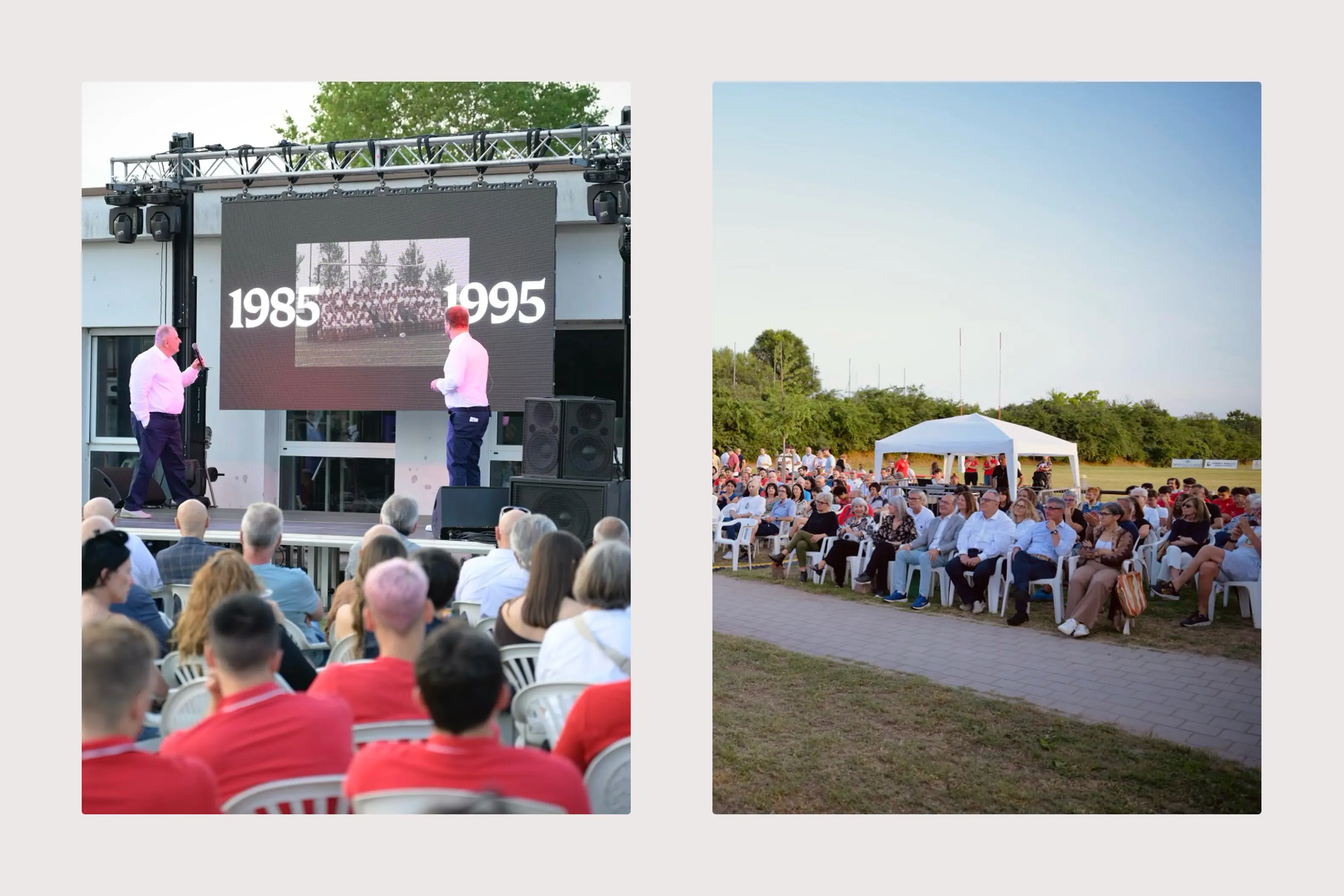
The new brand was launched in full at the end of the season, on the occasion of the Club’s 50th anniversary.
It was an important moment not only to present the emerging identity, but to tell the story of a new phase in Mantova Rugby’s history.
The communication strategy built around the launch had precisely this objective: not simply to show a new logo, but to begin telling what it meant to be Mantova Rugby.
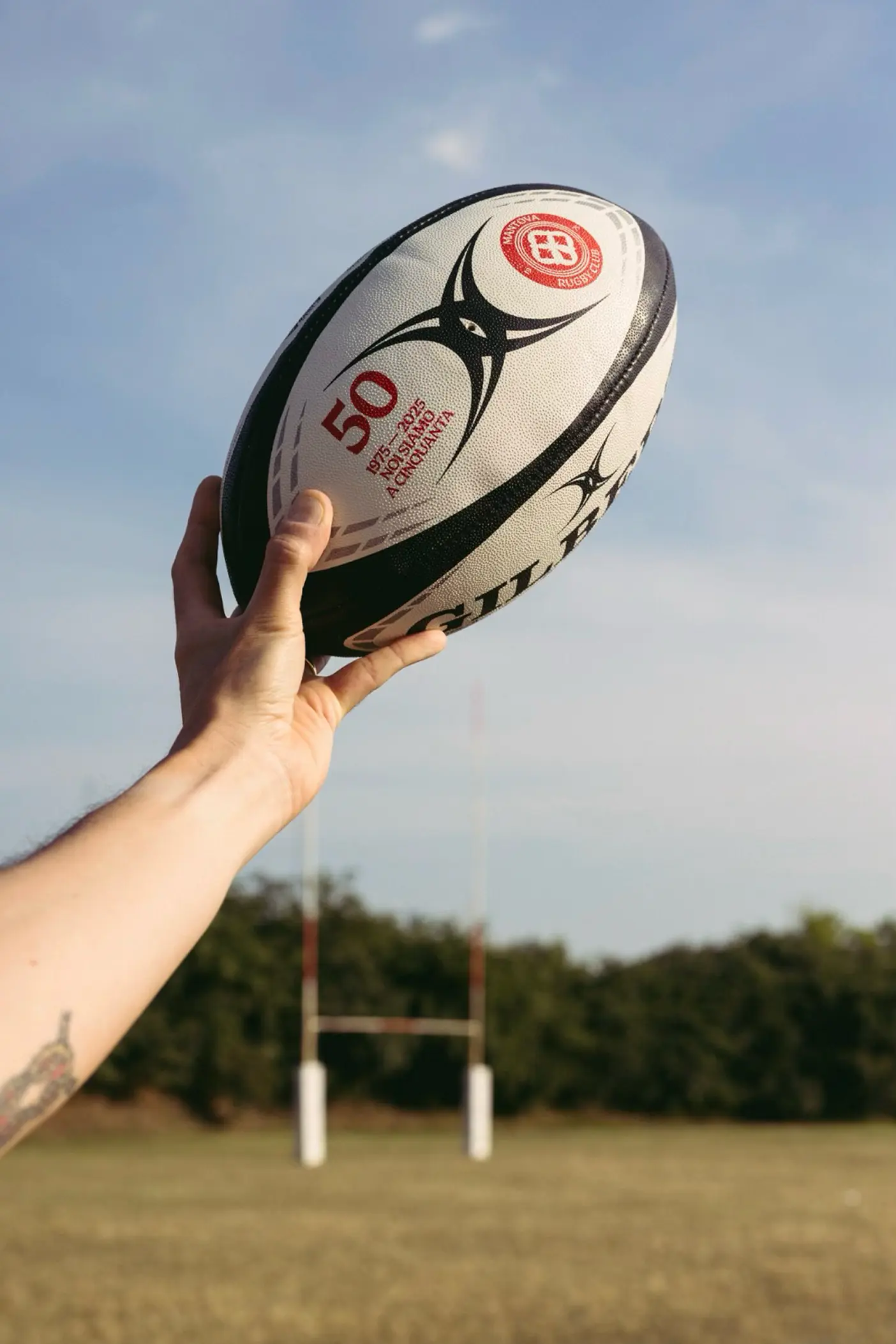
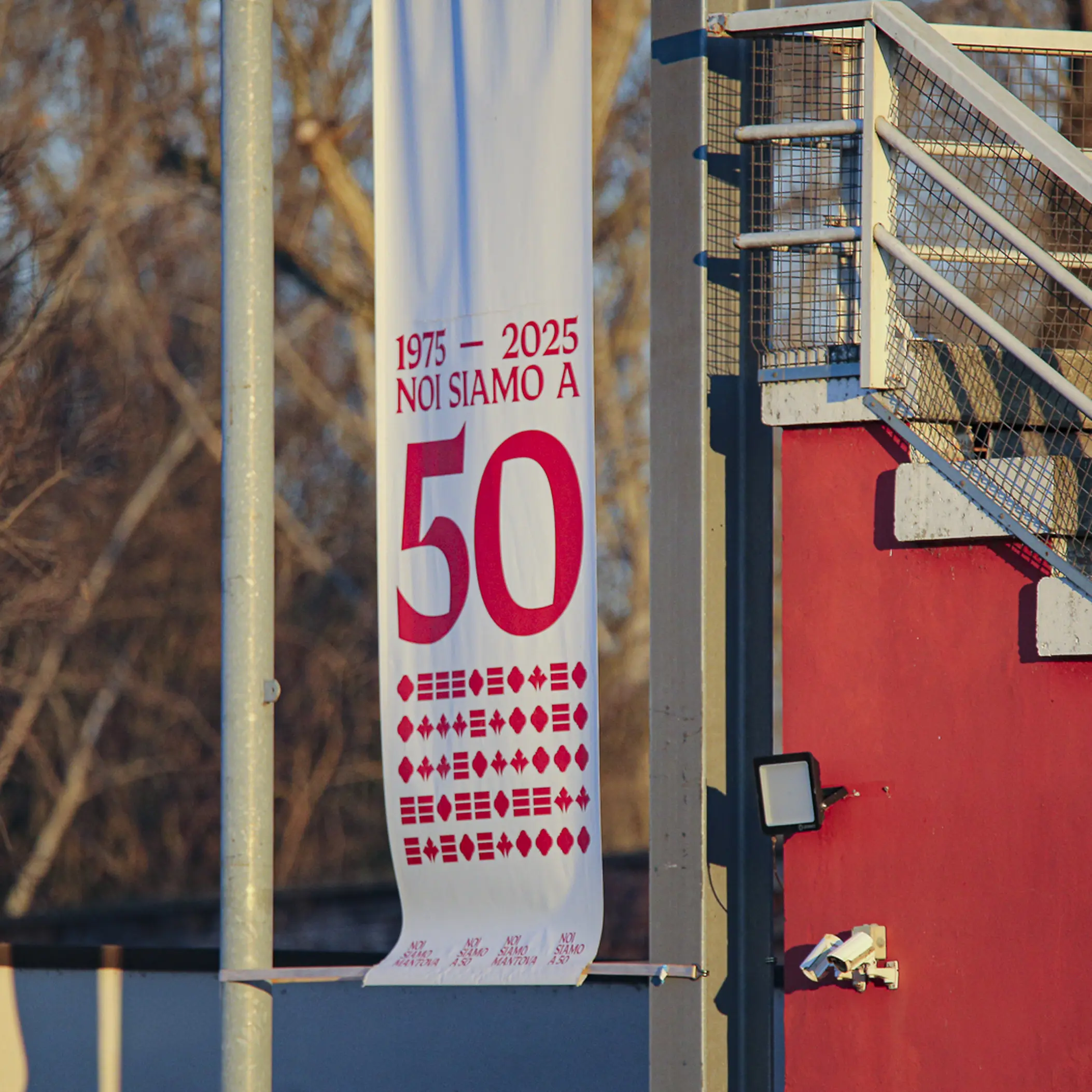
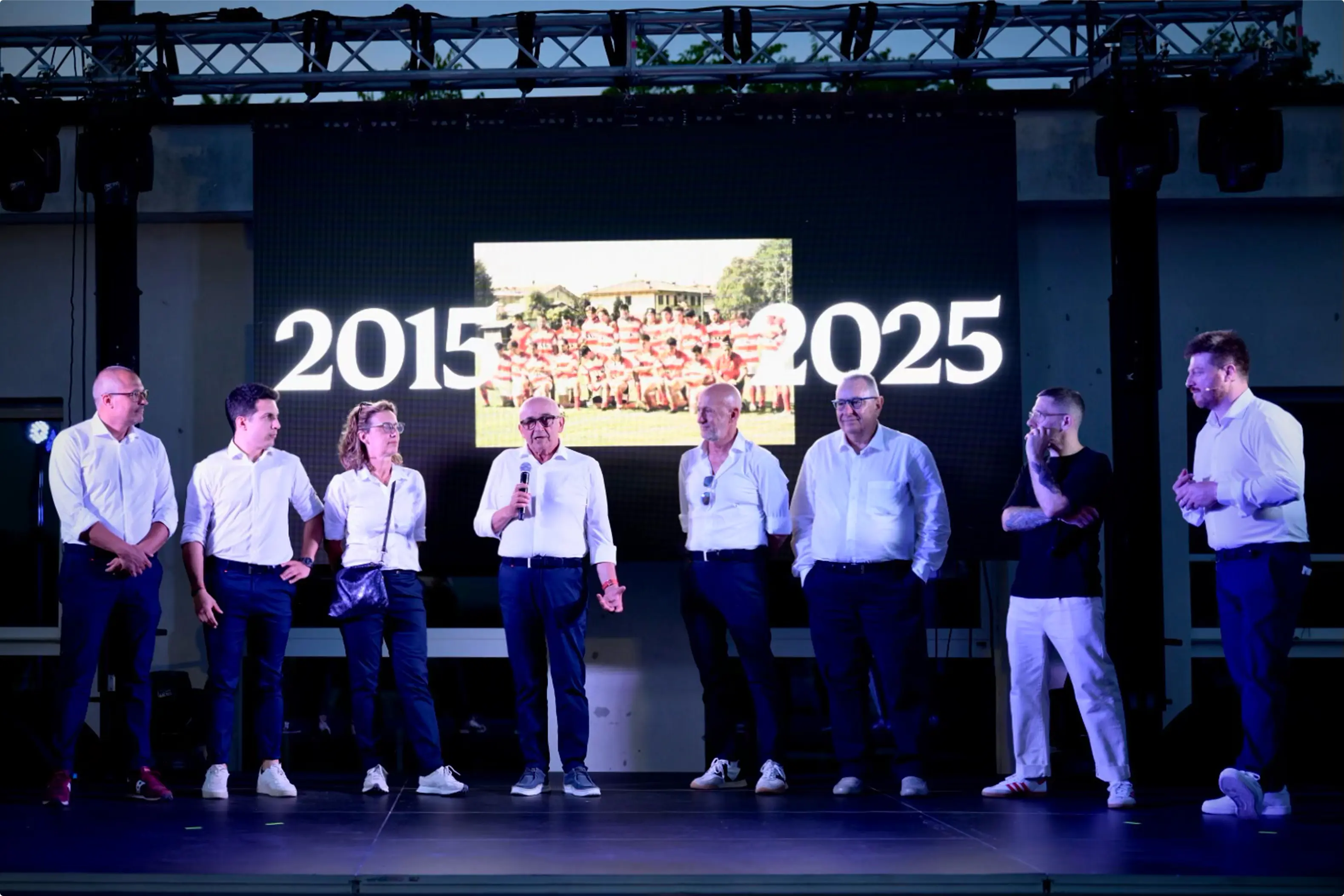
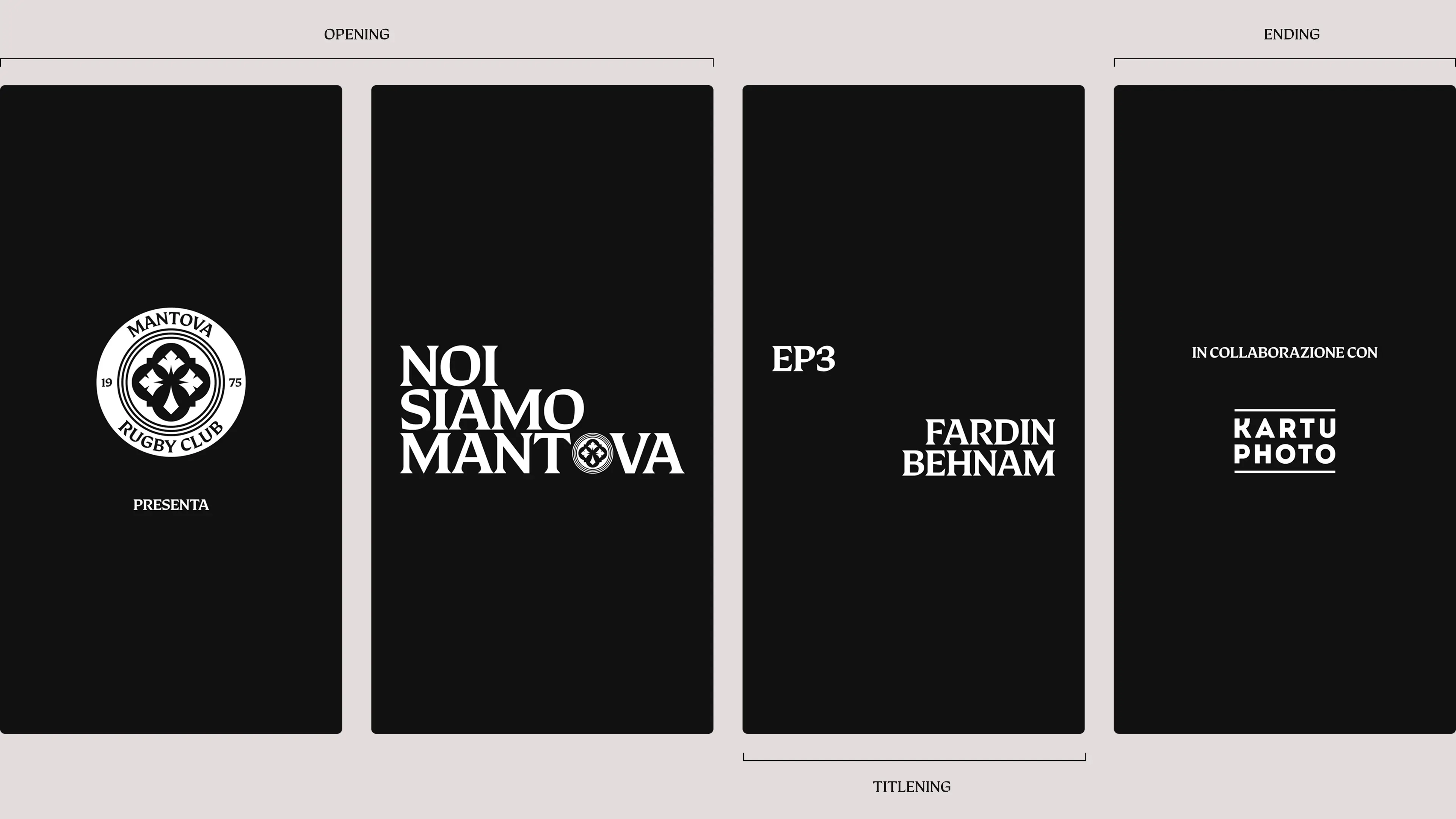
This led to the claim and subsequently to the activation campaign “Noi siamo Mantova”.
A series of mini-documentaries tells the stories of people who have been through the Club and who, through rugby or through the journey they began at the Club, have built something meaningful beyond the pitch.
Among them are Michela Merlo, who went on to play for the national team after discovering rugby as an adult, and Fardin Behnam, founder of the Afghan women’s national team, who sought refuge in Mantua after the Taliban returned to Kabul. Alongside them are people who have built professional careers in engineering, humanitarian work, industry and other fields, bringing what they learned through rugby into very different contexts.
The message was deliberately broader than rugby: the Club did not want to tell only the story of sporting results, but to show what it can generate in people and in society.
The campaign therefore became a first very concrete application of the purpose: showing how putting the growth of people at the centre can help build a stronger society.
When purpose begins to guide decisions
When purpose begins to guide decisions
Up to this point, we have talked about research, strategy, identity and communication, but the real test of a purpose comes when decisions have to be made.
In recent months, very different choices have started to emerge, but they are united by the same idea.
The decision to introduce a Director of Rugby, Marian Neagos (a member of the Castro Rugby Academy), and to create an internal Academy, integrating the work of Greg Sinclair and his Rugby Skills Academy into the Club’s programme, comes from the desire to invest in the development of young players and in the skills the Club can build internally.
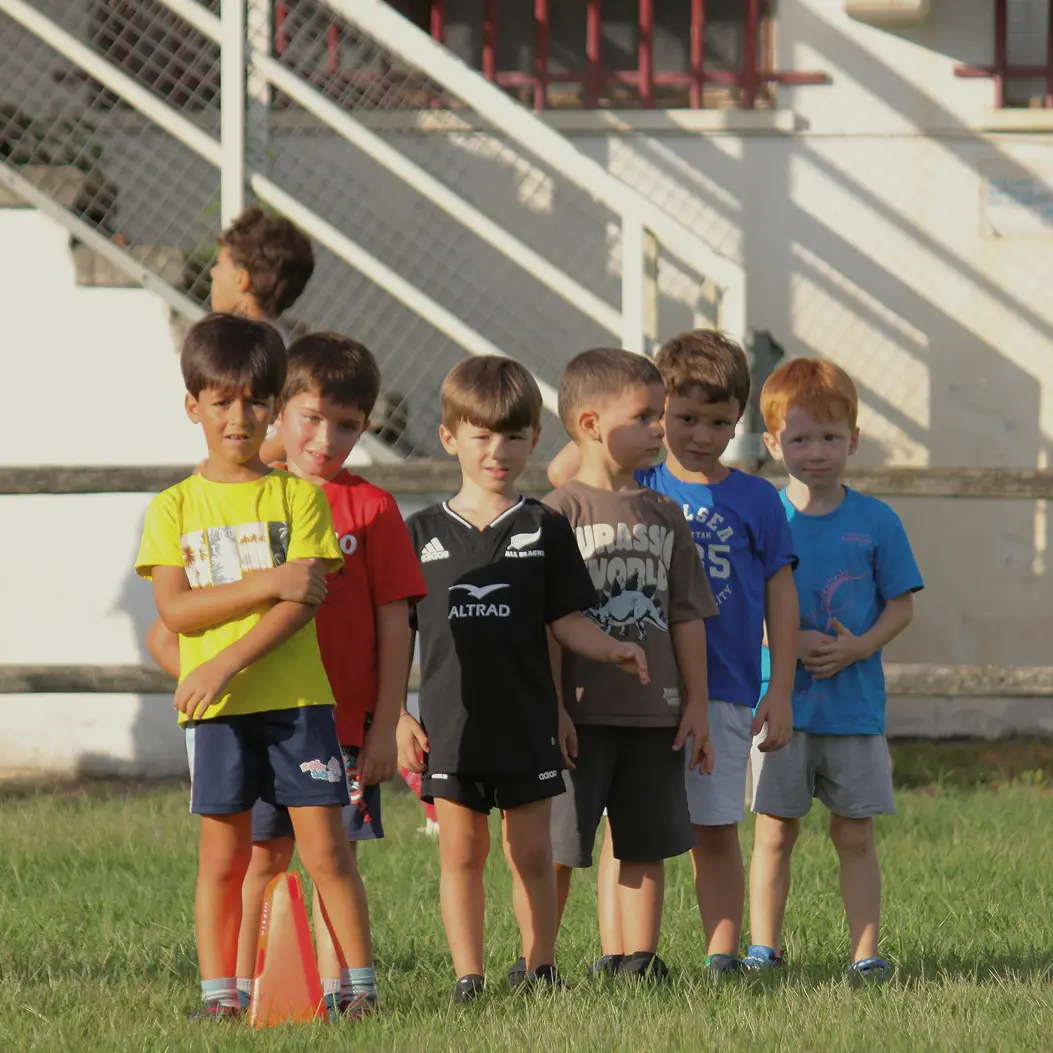
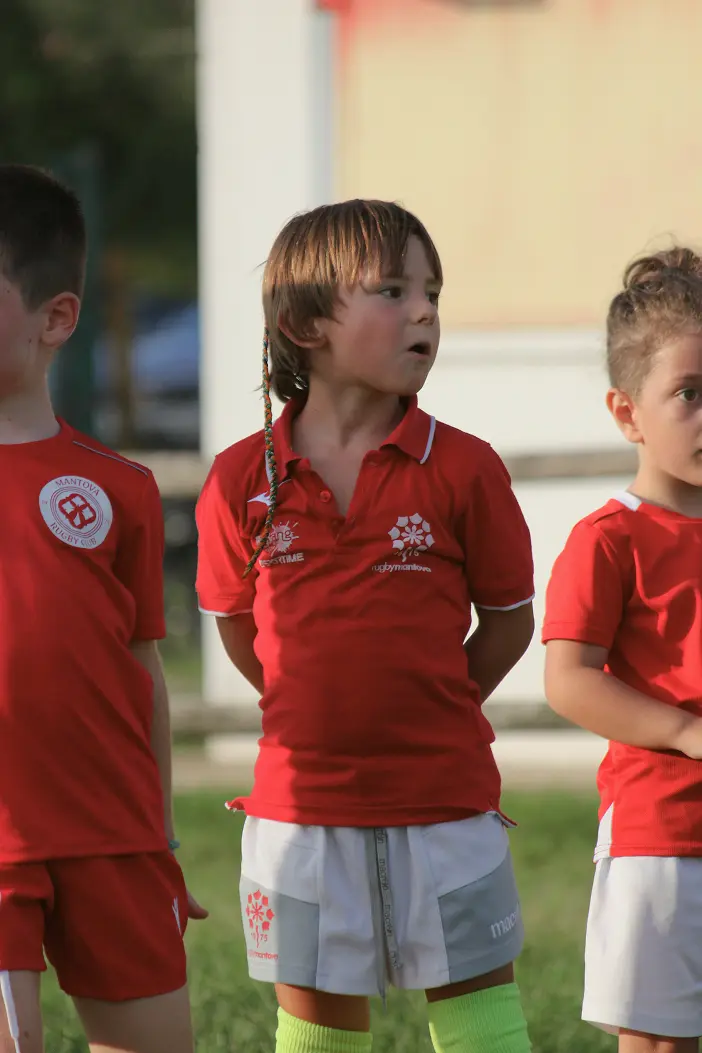
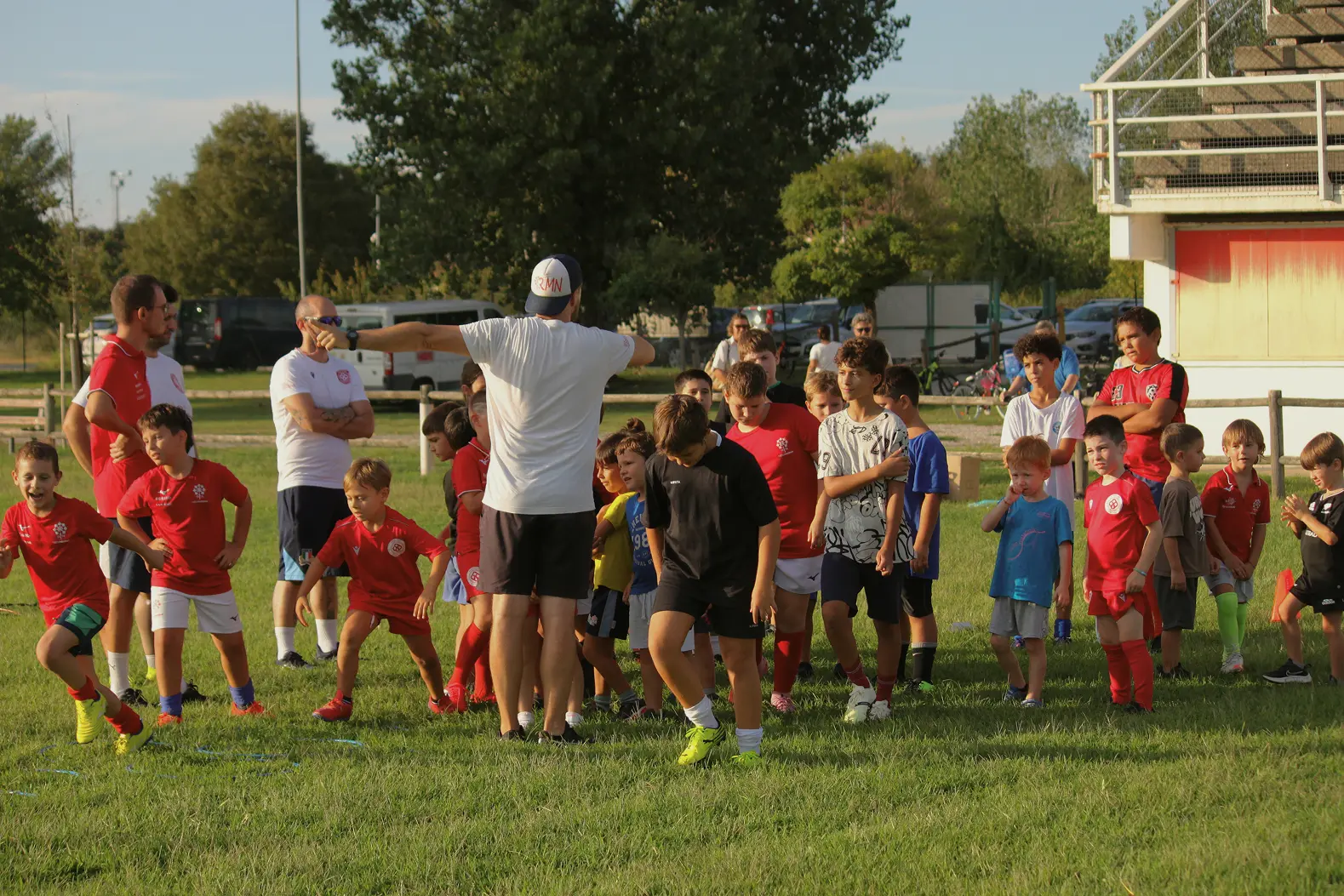
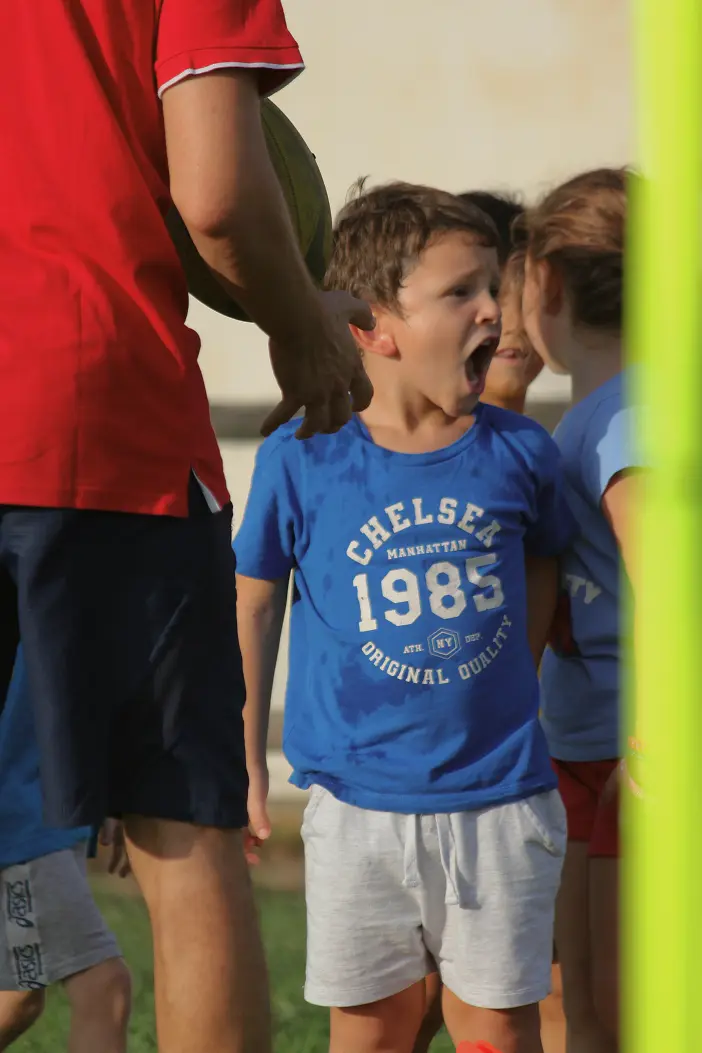
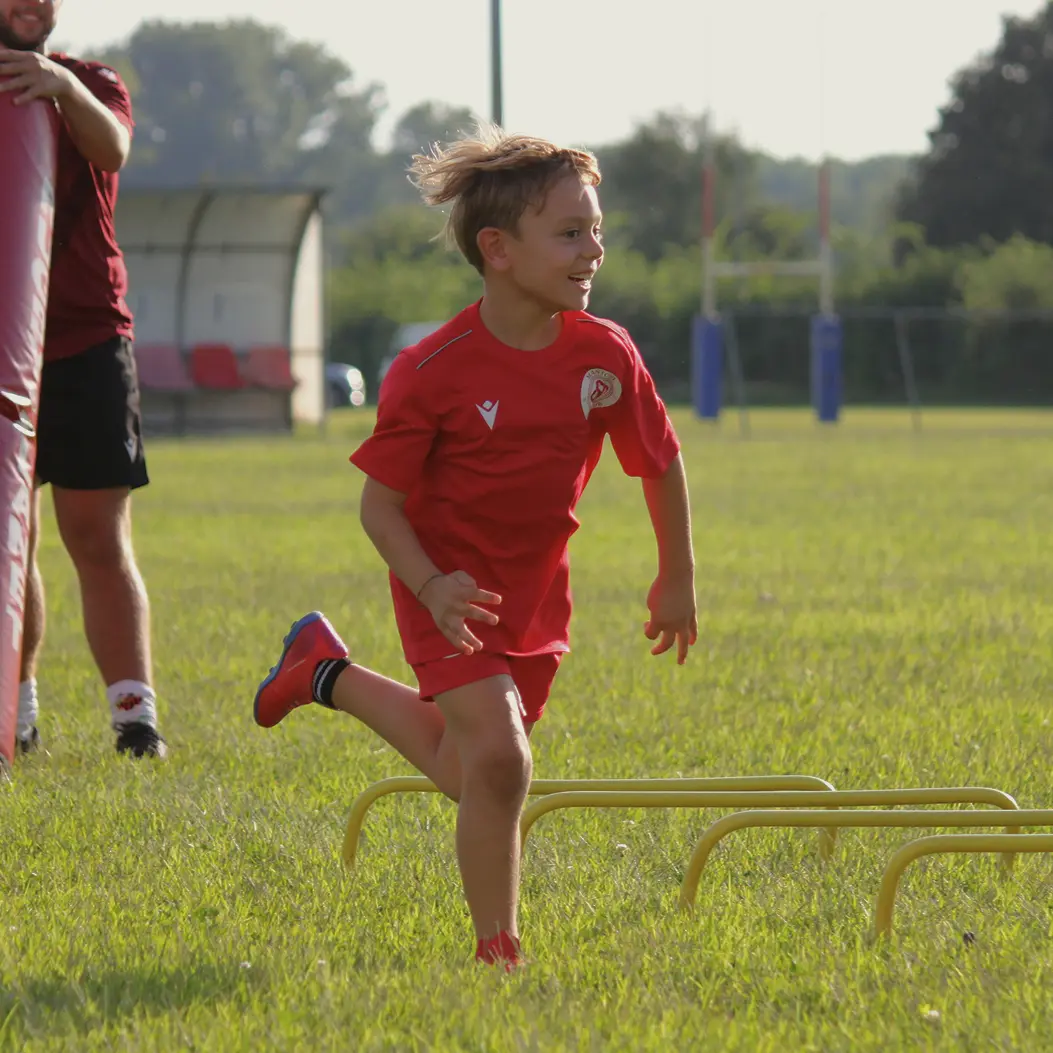
With “L’altra faccia di Lunetta”, this focus extends into the local community, using rugby as a tool for sport, social connection and inclusion.
Investment in facilities and the choice of new collaborators, coaches, employees and partners are also considered in terms of what they can contribute to building within the Club.
This also changes the way the Club presents itself to a potential sponsor.
The starting point is no longer simply what we can offer in exchange for visibility, but what we are building and what a company can build together with us.
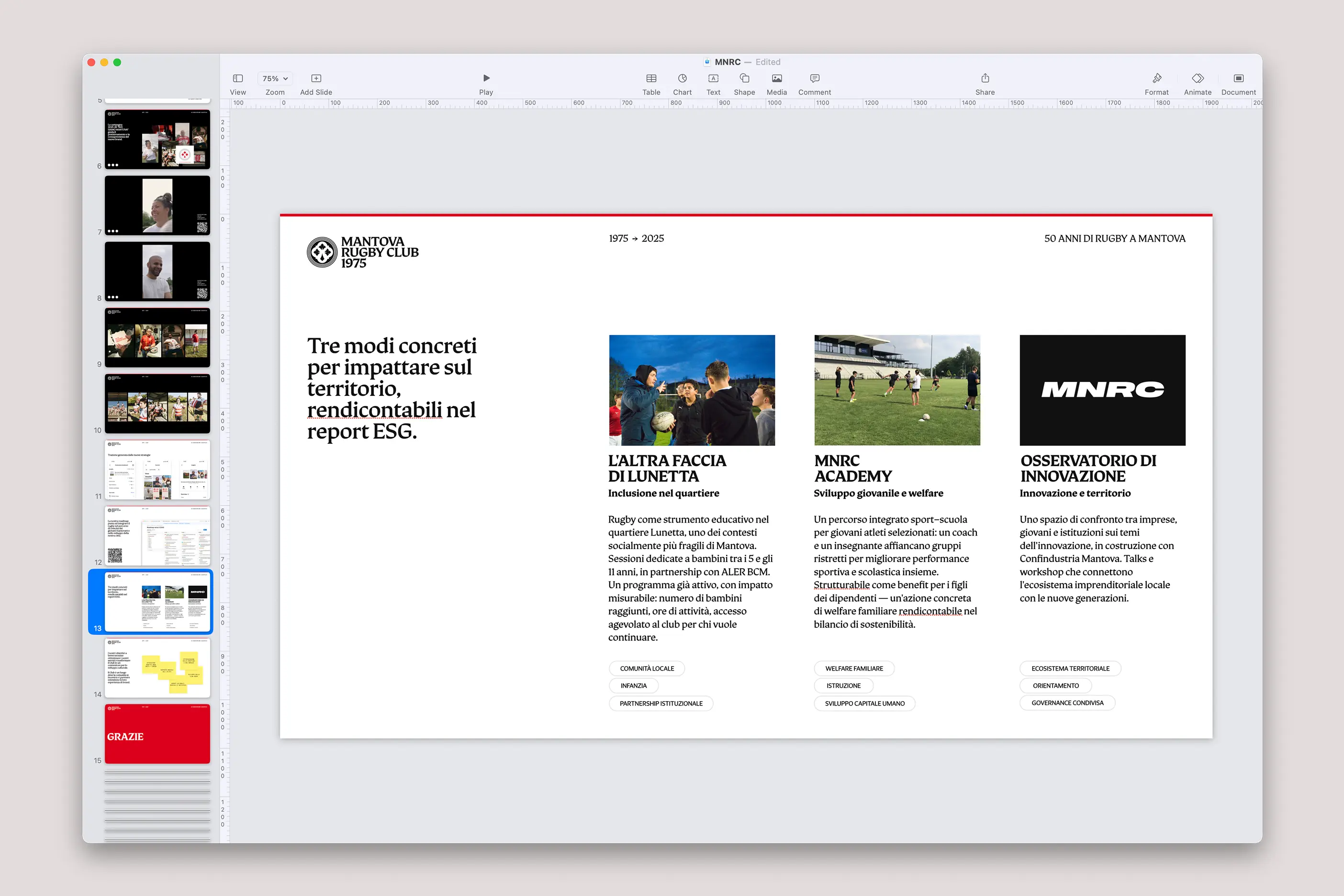
These are different choices in terms of nature, scale and impact, but they can all be traced back to a common question:
Does this choice really help us grow a stronger society?
The purpose does not provide an automatic answer. It offers a shared criterion for discussing choices and assessing their consistency.
And perhaps this is the most important step in the project: the purpose did not remain a statement, but started to become a tool that the Club can use to make decisions over time.
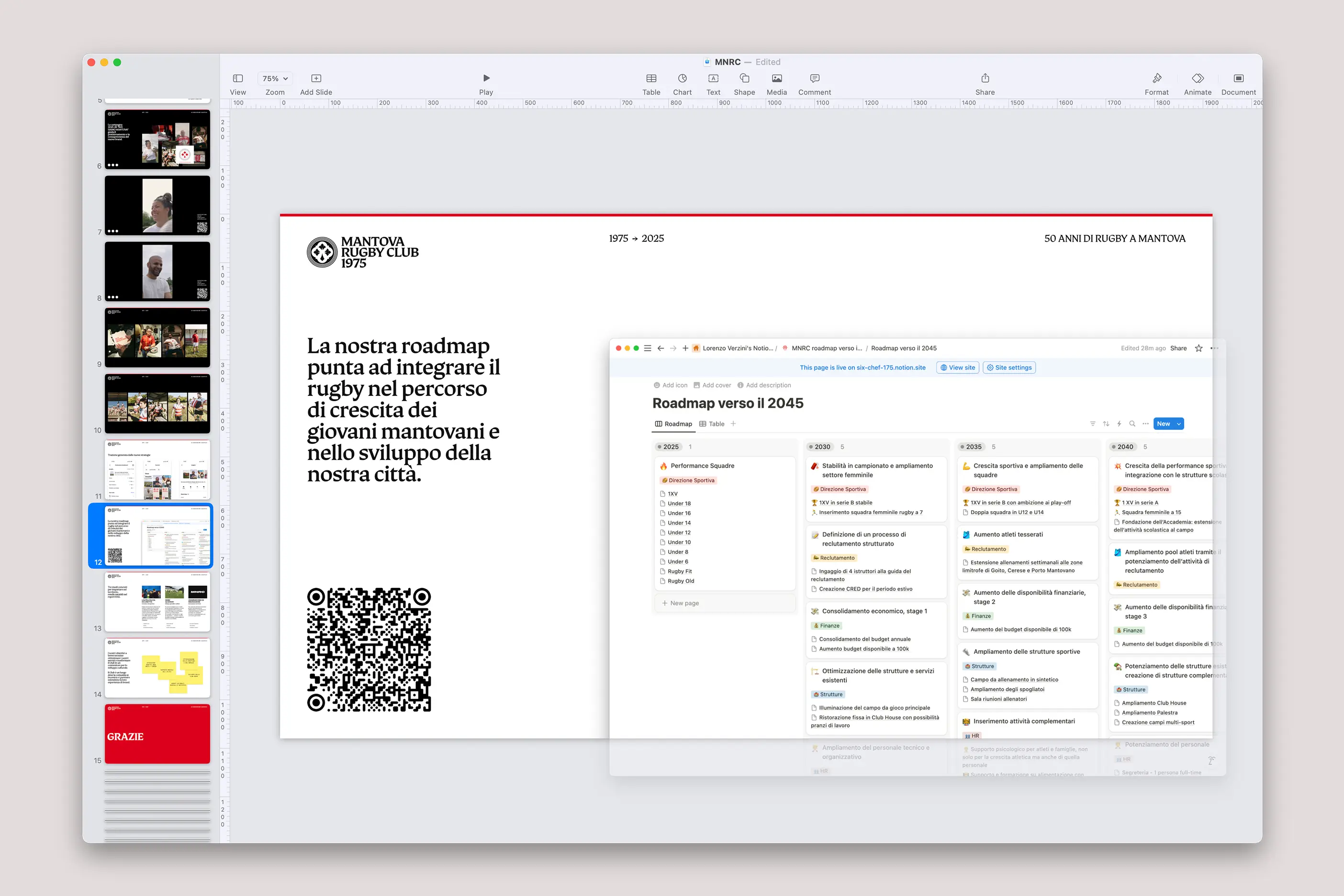
The brand as a tool for guiding decisions
The brand as a tool for guiding decisions
This distinction is important, because a brand can be seen as a system of recognisability: a logo, a colour palette, a typeface, a tone of voice, a campaign.
But it can also be seen as a system that brings together strategy, identity and behaviour: strategy defines a direction, identity makes it visible, and decisions make it real.
And when these three dimensions remain aligned, the brand becomes a tool for guiding decisions.
It does not replace leadership or make decisions on behalf of people, but it helps different people, at different moments, make decisions that contribute to writing the same story.
This is perhaps the most important result of the project: not simply having built a new brand for Mantova Rugby, but having built a brand that the Club can use to guide its decisions over time.
The value of a brand is not measured only by what happens when it is launched, but above all by what happens afterwards: when a new proposal comes along, when someone needs to be chosen, when it is time to decide where to invest, or when something has to be given up.
In all those situations when the Club needs to understand whether a new opportunity truly belongs to the future it has chosen to build.
That is when the brand stops being a storytelling tool and becomes a tool for shaping the future: affirming an identity in the present while simultaneously creating the conditions for what the Club can become.